nostalgia, remembering, Uncategorized, wisdom

Remembering Mom, her later years

When I was a girl, my father would say from time to time: “my life has gone by so quickly.” I would look at him, just little, and wonder what he meant, and how that could be. I could not relate. Some people say that time goes more slowly for the young, when all the years stretch out beyond, when growing up is something to be yearned for and in the yearning, of course, time passes slowly. But my memory is of that question or wondering that was in me when I heard my father reflect. Later, he would quote again and again, this Bible verse: “A thousand years is but a day in the eyes of the Lord.” Apparently, my dad did not stop thinking about the passage of time.

Often, I think of my most cherished memories, as “life has gone by so quickly.”   My memories include those days on my visits to Milwaukee to see my mother, after I had moved to the Bay Area of California, after my father had died.  My mother lived in a small upper floor apartment on a busy street close to the center of Milwaukee, and I would stay in the cramped second bedroom, the noise of the busy thoroughfare keeping me awake nights.

Both mom and I were “Milwaukee girls.”  We had grown up in the flats that line the streets of poor and working class neighborhoods of the North Side.  Those flats are still there.

We knew the streets, the bus lines, the parks, and we knew the sense of “small town-ness” that Milwaukee cherished for a long time.  We knew the particular kind of diversity of that place – the streets where Eastern European communities lived, the place where the Italians built their church, now a Cathedral to welcome the Bishop from Rome, the places where African Americans came to live, to build community, during the Great Migration.  We knew the part of town where people from Mexico came to live among others who spoke their native language.  We knew how to navigate to new places, too, in that city laid out in a grid.  I have never understood how to find places in cities that are new to me.  How can addresses not make sense, like they do in Chicago and Milwaukee, a small Chicago?

On my visits to see Mom, before the dementia took her away,, we set aside a day to “do Milwaukee.”  After coffee and breakfast, we backed her car out of the garage and onto the busy street.   We had no particular plan, except to explore old places that held meaning for us, to make our way to the Milwaukee Art Center at some point, to have lunch out, and maybe to do a bit of shopping along the way.  I loved those small adventures.  I loved the fun we had together:  “that’s the fun of it!” was one of my mother’s expressions.

On one of our adventures, we discovered again a small section of town filled with Ukrainian immigrants.  My mother’s first language was Ukrainian, and so we ventured into a small bakery, a storefront, and she stumbled to say a few words to the man behind the counter.  He understood, all right, and soon we found ourselves in another cramped space, the family’s living room, complete with an altar adorning a corner.  They were Ukrainian Catholics, and a candle burned in that corner, lighting up the features of the Virgin Mary, her eyes cast down, her blue gown ending at her bare feet, on a sphere covered with stars.

On another adventure, I gazed at my mother as she gazed at one of her favorite paintings in the Milwaukee Art Museum, The Wood Gatherer, by Jules Bastien-Lepage.  Later, Mom told me her wonderings about the scene that painting depicted, her own story fleshing out the art.   I still own a print of that painting.

One day at lunch we found ourselves in an old Italian neighborhood for an Italian lunch, another at a Jewish deli across from a synagogue.
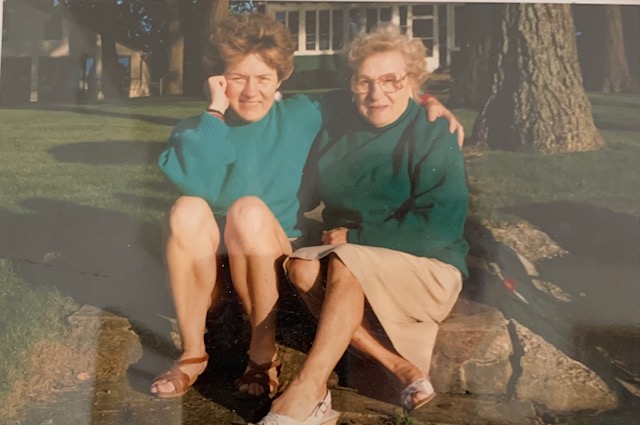
As the years passed, it was harder and harder for mom to enjoy those days, until the last time we set out.  We did not know it was the last time, but something had changed.  We returned home to her apartment right after lunch.  Soon enough, I’d have to move Mom out of her apartment and into assisted living in the Bay Area, a move which she made bravely and with great trust.

I suppose some part of me thought those adventures would go on forever, that those times when we laughed and remembered and saw old things new again, would not end. All times end.  Now, those days are distant memories, and I continue to cherish them as some of my favorite times.

Here, I find myself years later, remembering those small adventures, remembering the tilt of Mom’s head as she laughed, remembering the narrow streets we knew so well, remembering driving her blue Tercel all over the city we loved.  I’m in the memory time for so many people I have loved, so many experiences, so many grievances that had filled my life over the years.    All of those beloved people, all of those rich days are a memory, now.
beauty, nostalgia, poetry

Longing

Days before she died, 
Mom sat, legs over the side of her bed, 
gazing out the window onto the sunny street: 
"I wish it would snow once - just for me," she said.
I think that, too, sometimes.
There is a longing in this dry place:
when life is dry, empty.
I'd love to see the snow then,
flakes falling, silent, to the ground,
the heavens shaking their down pillows.
I'd like to be in that quiet place for a few moments,
surrender my busy mind to it,
welcome the holy silence, the emptiness -
                     all that space. 
          
Mary Elyn Bahlert, February 27, 2022


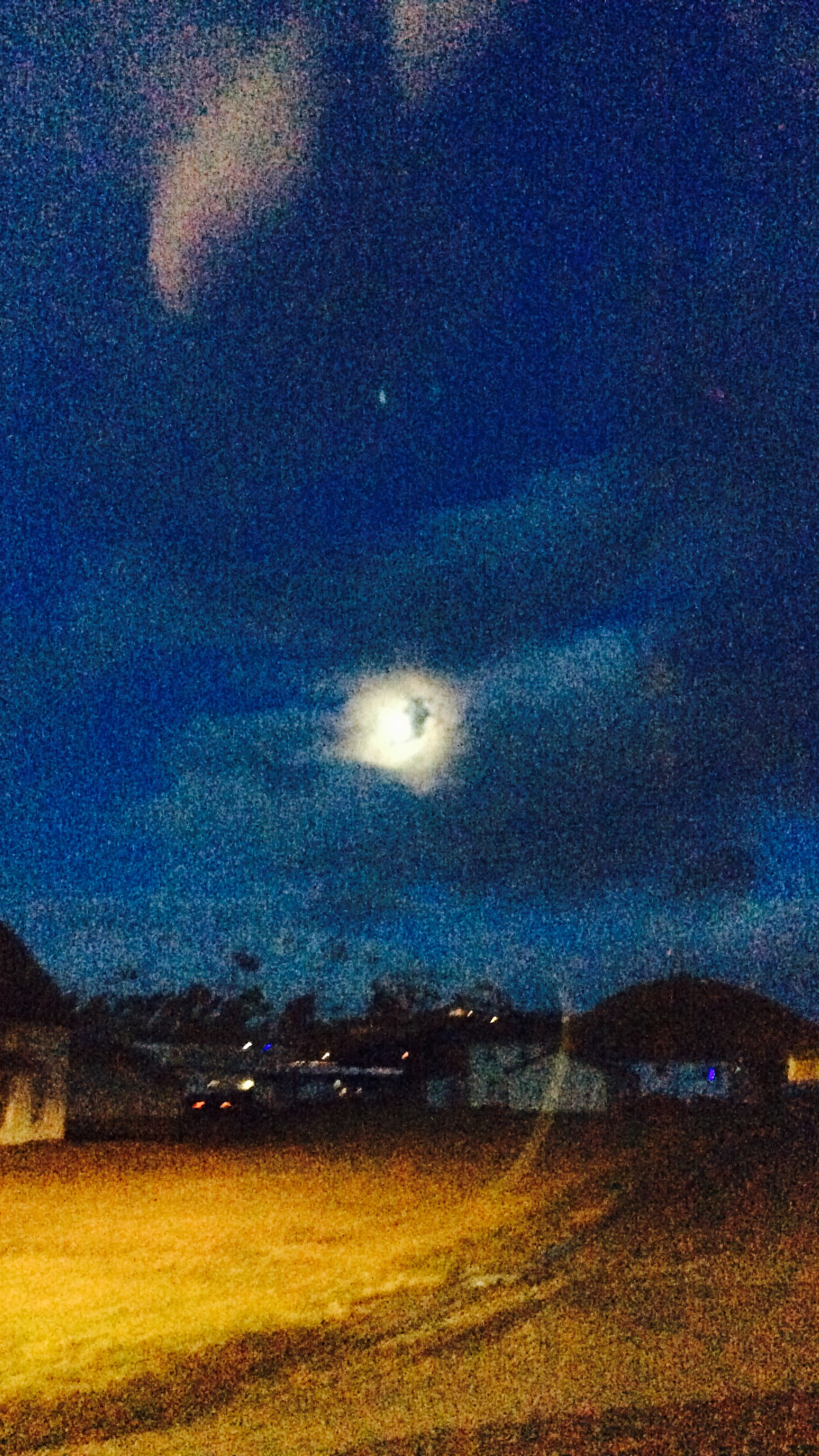
Full Moon – Moments Before Sunrise, 10:00 AM, Sunday, December 27, 2016
Unalaska, AK – photo taken by meb


nostalgia

“Your dad died.”

Dad was diagnosed with colon cancer in 1975, the year after he retired as an inspector at the A.O. Smith Company in Milwaukee. At that time, the treatment he received for the cancer was treated by outfitting him with a colostomy. For a time, he felt restricted in his life, but Dad loved life, loved having fun, and in a couple of years he was able to travel with Mom, to California, to see Mom’s brothers, Johnny and Pete, and to Hawaii, to see their grandson, Colin (and his parents, of course!). When I look through the pictures of that time, I see what fun they had, visiting the sites in Northern California, and playing with their grandson in Pearl City. He and Mom had fun together – maybe the time in their lives when they were most free to enjoy retirement.

That time of enjoyment ended in 1985, when the cancer returned. He suffered with chemotherapy for a few months, but by the beginning of 1986, he let go of trying to fix the disease. He spent the last two months of his life in St. Joseph’s Hospital in Milwaukee, holding on. His grandson (and his Mom) visited him. I made a trip from Northern CA, at least once. Pete and Johnny came, and some friends from the steel mill. A couple of folks from church came to see him, to visit and to pray. During that time, my dear friend Joanne visited Dad often in the hospital, and gave support to Mom in the rest of her life.

At the end of my last visit, I stood with the doctor at the end of Dad’s bed, and the doctor said: “I don’t know about your father.” I wish he’d been more honest – I always like to hear the truth, even if it’s hard. We both knew that Dad wouldn’t last much longer.

As with Mom, the end of Dad’s life was held in the hands of some greater Spirit, which became apparent on the night he died. About 11:30 pm on that night, my husband and I were already in bed at our home in Northern California. When the phone rang, I answered right away. Joanne was on the line. She said: “Your Dad died.” Then, she said, “the hospital has tried to call your Mom several times, but she doesn’t answer.” That seemed strange; never a good sleeper, Mom would jump up from anywhere in the apartment to get the phone on the wall in the kitchen. I tried to call her; she answered after the first ring. I said: “Mom, Dad died.” A moan came from her, then she said: “What should I do?” I told her to call Joanne, who would come to take her to the hospital.

My sister Suzie was the last of us to be with Dad the evening before he died. She stood by his bed, adjusting the intravenous tube that brought liquid to his failing body. He’d lamented to me on a visit that he had once been so strong, worked so hard, and now…” As Suzie stood next to his bed, she said a prayer: “God, please don’t let him suffer any more.” Suzie had not prayed the prayer of letting go before that night. Then she went to stay the night at her in-laws.

Several hours later, after I had called Mom, I called Suzie, sound asleep. She told me she’d been dreaming, a dream of her looking down into the casket in which Dad lay. Then she told me, “maybe this could wait until morning.”

As I’ve reflected before, life can be a mystery, more often than we know, I’d guess. At the time of Dad’s death, and at the time of Mom’s death, many years later, some greater Spirit paved the way for us, and walked us through the passage of time, those holy moments of letting go, of surrendering even one we love so dearly to death. We all stood in our places, unknowing, as the Spirit moved.

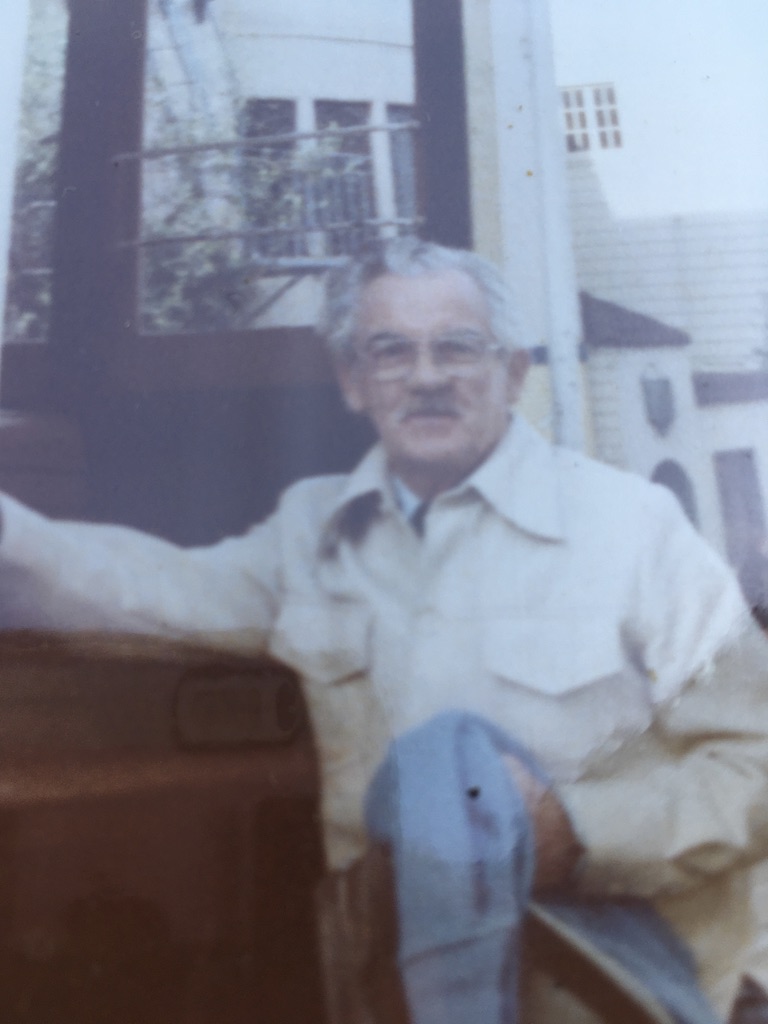
Dad in better times, in San Franciso.

Remembering now, sadness comes, of course. But I breath deeply in remembering how we were all held by an invisible grace. Sometimes, we forget. I know I do.

Uncategorized

Destroying the sacred

This past week, I read a distressing article on my news app. The article recounted that a right-wing pastor in Tennessee declared to his congregation that God had told him to burn “evil books,” after which the pastor led his congregants outside, where they burned books together, in a huge bonfire. In his mind, these books are a threat to his religious rights, freedoms, and belief system. Apparently this is not the first time the young man has caused a stir, as over the past 2 years – when the country and the world have been dealing with the COVID pandemic, and over 900,000 Americans have died of the disease – he has denied the pandemic.

I’m reminded of Bob Dylan’s words: “You’re gonna have to serve somebody
Well, it may be the devil or it may be the Lord… But you’re gonna have to serve somebody
…” And John Lennon, reacting to those words, wrote: You gotta serve yourself… Ain’t nobody gonna do it for you

Book burning refers to the ritual destruction by fire of books or other written materials. Usually carried out in a public context, the burning of books represents an element of censorship and usually proceeds from a cultural, religious, or political opposition to the materials in question. The burning of books under the Nazi regime on May 10, 1933, is perhaps the most famous book burning in history.” (credit to: encyclopedia.ushmm.org; Holocaust Encyclopedia).

Every day, the great divide in the United States grows, right and left separated from one another, malice for the other accelerating on both sides. Many people in this country are armed, some with assault weapons, a testament to their “Second Amendment Rights.” In their ignorance, they will not travel to other places – where they could see the vast diversity of how human beings live.

I won’t say that this is dangerous; that is obvious. What I want to say is that I grieve for this country. We have gutted our educational system, and in its place are dangerous ideologies that rely on the ignorance of those who hold them. I grieve for the children of this country, in particular the children who will be educated in public schools, children who are not privileged, children whose lives could be opened and enlightened by an education that teaches them to think for themselves, to hold the common good, to be kind to one another, even those who are different. I am fearful for them, and I am fearful for the future that this lack of education will mean to this country, and to the world.

Apparently, the United States, this “great” country, will be empowered by refusing to educate its young, by refusing to to send them into the world as world citizens, as people with respect – for themselves, and for other human beings, whoever they are, however different they may be.

I like to say: “your God is too small.” A small God is a dangerous God, undoubtedly a God who takes orders from the ego, that small part, that fearful part, that wounded part of each one of us, the part we grew from our wounds. This small God is the God of ideologies.

And those who choose this God will be those who hurt other human beings, other living things. Wounded people – hurt people – hurt other people.

You can’t argue with someone whose “God is too small.” There is no room for compassion, for growth, for understanding. There is no room for difference, diversity.

As I get older, I am more and more aware that my life has been shaped, has been formed, has been gifted by, and has been empowered by the education I received in the 50’s and 60’s in the public schools. I am ever grateful for the teachers I had: several were Jews, professional teachers who loved their subject, who loved their work, who wanted to give to the children who were entrusted to them. Several had fled Europe during the Holocaust – and spent their lives giving to the next generation. I am grateful for teachers who taught us to think, to consider, to open our minds, our thinking by reading, learning, and discerning. They taught us by who they were, by their example, by their choice to take on an important profession. They taught us by by their willingness to teach us how to think – to think for ourselves. And in their teaching, they gifted us their longing for a just, kind, and peaceful world. By example, they taught us that there was a way to live with one another.

Through their teaching, and through the example of our elders – even those who were not educated, as in my family – they taught us that we could be citizens who could think, who had historical memory that would continue to teach us, that even those of us who came from poor, working class families could be educated. The public schools taught us this.

And now, every year, the schools in this country are at the bottom of what is deemed important. Instead of being highly regarded for teaching students how to think, they are required to teach students what to think. The best people will not want to be part of that legacy. We will assure that by our actions as a country.

We are all suffering from this world view. We will continue to suffer. We will continue to raise up children – young people – who cannot think for themselves, and because they cannot think for themselves, can be led by damaged, dangerous people – even people who claim to speak for “God.” And we, then, will be responsible for the injustices, for the damage done to other human beings, whoever they are. We will be responsible.

When I was young, my having teachers who opened my mind and experience, gave me the gift of thinking that I could serve, too, that maybe I could leave something of value for the world when it came time for me to leave. Now, in the Wisdom Years, I am less certain.

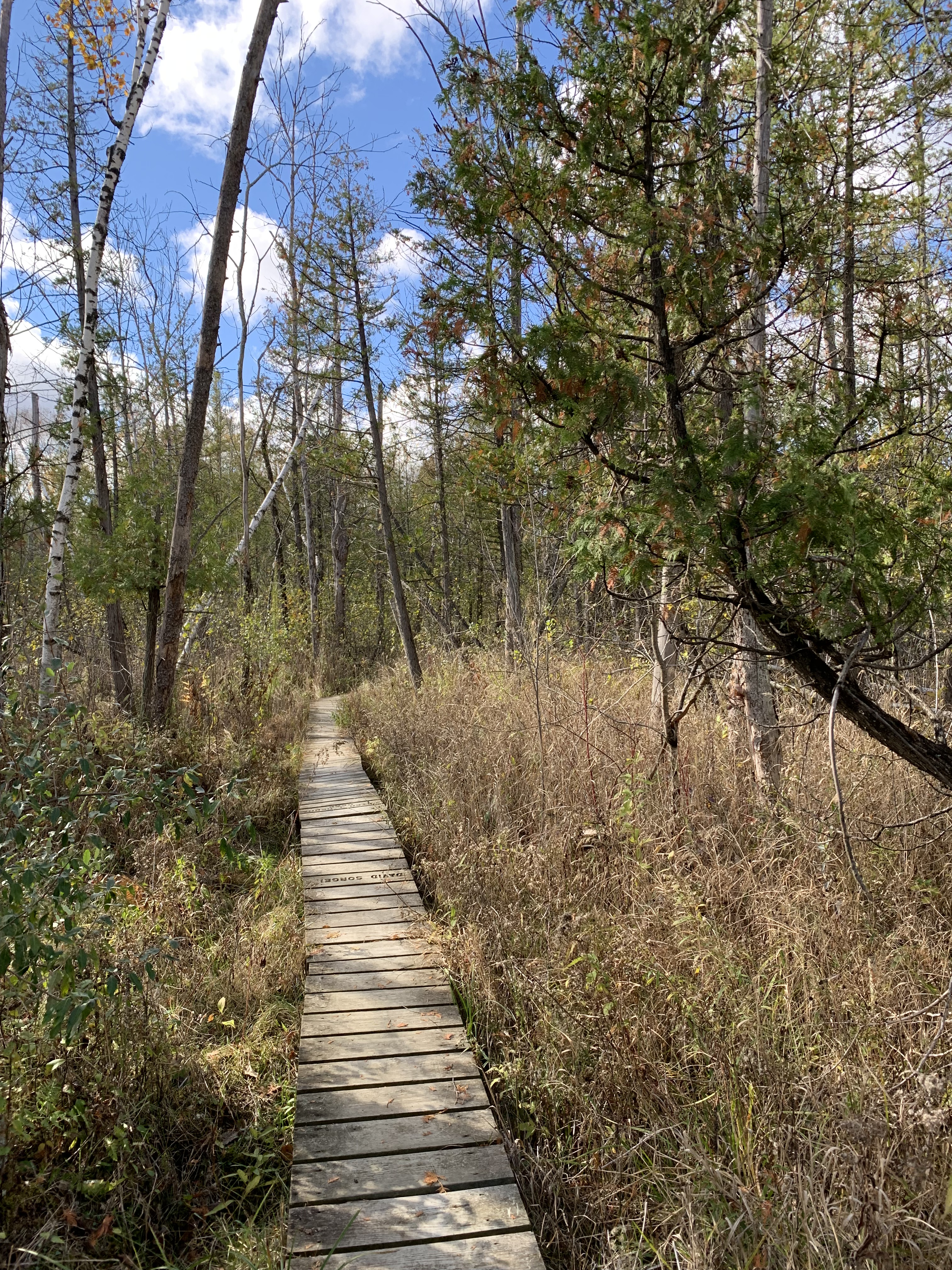
“The Path,” photo by Mary Elyn Bahlert, 10/2021

beauty, nostalgia

Mid-winter

Were I still living in the Upper Midwest, I’d be in the thick of winter: navigating weather from snow storm to snow storm, carefully descending steps in case a bit of ice clings to the edge of a step, dressing in layers – lots of layers – before going out for the day, idling the car in a store parking lot to get it warmed up for a short drive, driving carefully on city streets to avoid patches of ice, sometimes swerving, having not avoided unseen ice,and sitting in a cozy house, watching flakes fall, early in a storm.

While winter is long, dark, cold, cold, cold, and wet (or icy) -there’s nothing like it.

But I’m not in the Upper Midwest. I live in Northern California, the Bay Area, where I get to enjoy a mild winter, and where I long for a storm in these days – years – of drought all over the West, where I both cherish the mild climate and long for snow and the coziness that arrives along with the winter storms. Although I expected “sunny California” when I moved here, it didn’t take me long to learn that we have a Mediterranean climate in the Bay Area, with lots of fog, fog which often burns off by late afternoon (because of climate change, we do get a lot more sunshine these past few years, and earlier in the day).

In a way, I’ll always be a Midwesterner, although I’ve lived in the Bay Area over half of my life. Every couple of years, I have a longing in me that will not be satisfied until I make it “home” again, to the place that marked my early years, to the places that gave me a start in life. For many years after I moved to Northern California, I would catch a feeling of nostalgia when I went outdoors. I’d be homesick, not knowing why. It came on suddenly, had me remembering places, people, often thinking about the people I loved, many now gone a long time. Later that day, I’d discover that there was a bit of humidity in the air. The humidity had brought on the nostalgia.

My brother-in-law, Randy Kunkel, wrote a Haiku for me, many years ago. I discovered it in some old files the other day:

She draws a deep breath

Unexpected humid air

Nostalgia aroused.

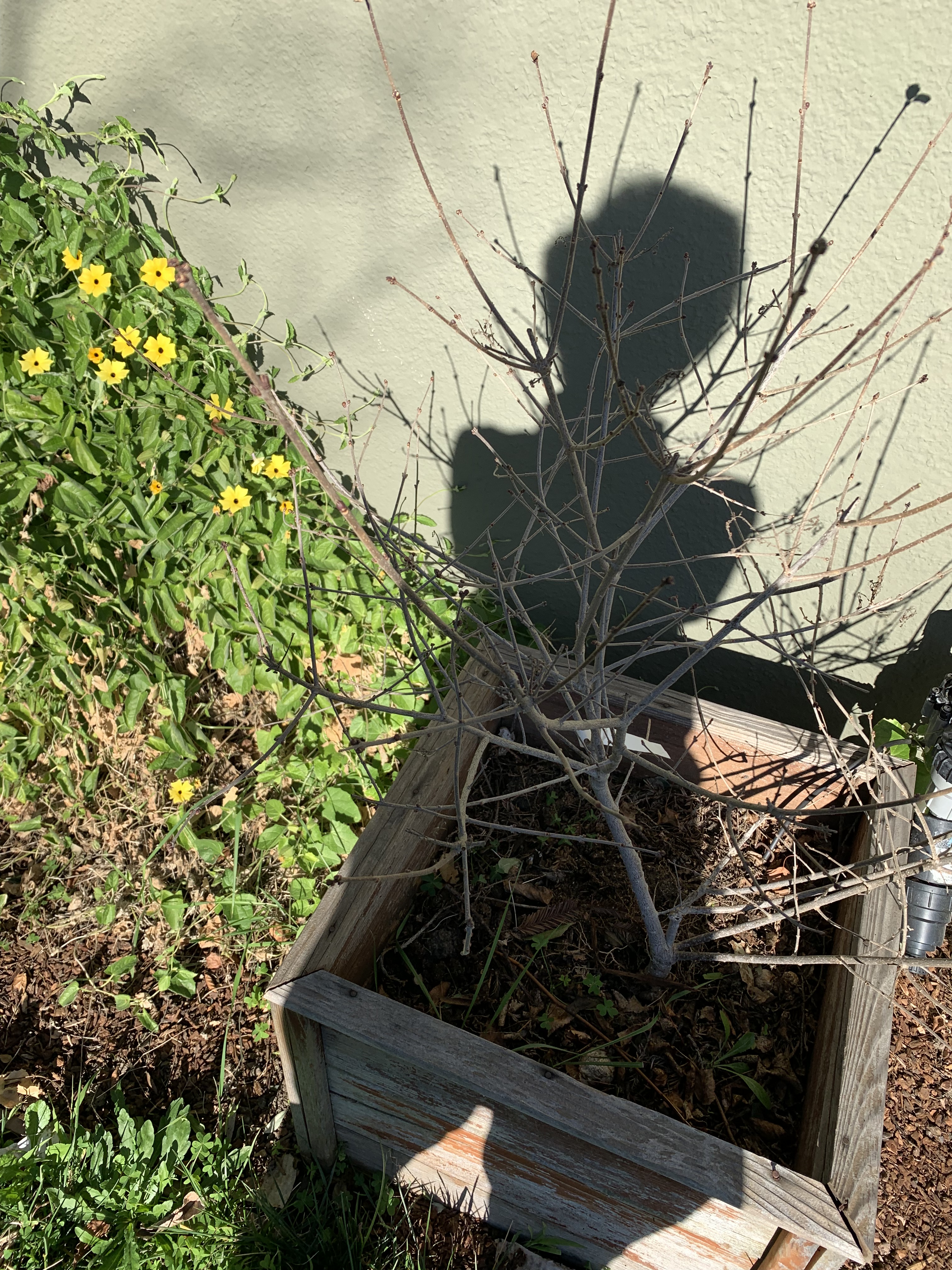
We’ve still got weeks of winter here, longing for rain, hoping, watching the skies: “Is rain coming, or will the gray skies give way to another beautiful day?” At the same time, some trees have already begun to blossom. Today, I took a look at my Korean Lilac – planted by my husband Jeff for me – to see that it is beginning to bud, and February not even here!

In the Midwest, I loved, loved the lilac trees full of fragrant blossoms which graced front lawns in May for several weeks. When I had a tree in my own front yard, I’d cut an armful of blossoms and put them in water to grace my kitchen table before the blossoms went a way. If I didn’t have a tree, I’d have to beg from the neighbors. Nothing like a blossoming lilac tree, gracing lawns in the city or bestowing its fragrance in the house in early spring, coming through open windows, a luxury.

My Korean lilac will blossom this spring, too. It’s getting ready to blossom. This lilac does not need the freeze like the variety in the Midwest, and its blossoms are not as abundant, but the blossoms give the same fragrance as the lilacs I knew as a child and young adult.

I’m grateful.