Uncategorized

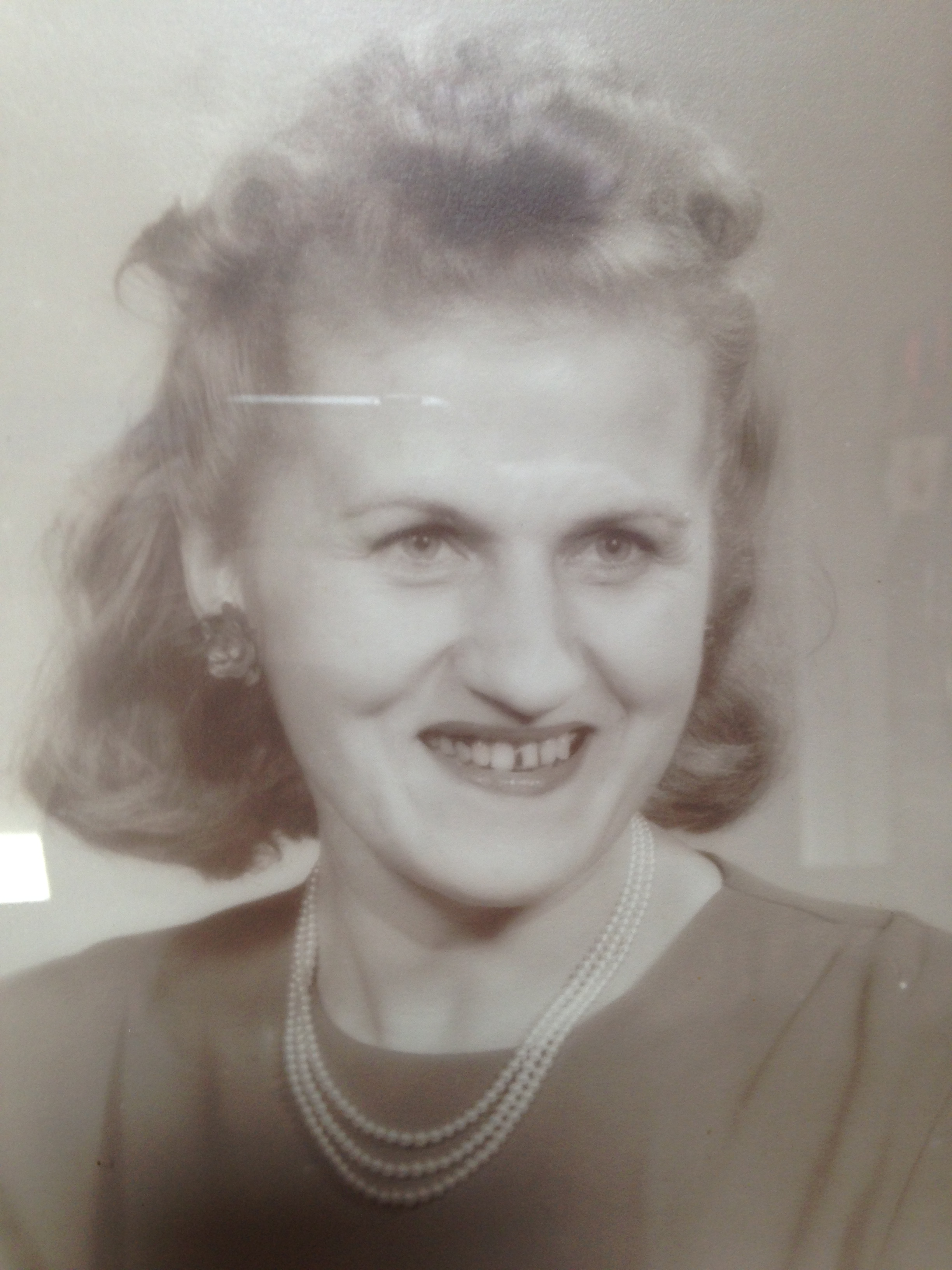
remembering Verdell

In my mid-twenties, I was searching for a community. At the time, I didn’t know what that community would be for me, but I was drawn to go to church, since that was what I understood to be community. And, as I’ve written before, deep inside me – not spoken aloud – was the seed of a call to ministry, to a particular vocation.

And so I visited churches, one Sunday after another. My only experience of “church” had not been positive – even as a young teenager, fundamentalism did not make sense to me. But I was looking for community, for a community of people with a heart for social justice, activism. I set out to find that place – a place I did not know existed.

And so I visited churches, one Sunday after another. As a natural introvert, it is difficult for me to enter a community. Maybe I was shy. I know I was uncertain. But I must have known what I didn’t want, as I visited one church after another. I made sure to sit in the last row of the pews, so that I could make a safe and fast exit – which I did, regularly. Or I might find myself in the Narthex of the church, the hall from which the sanctuary is entered, looking for someone familiar. Again and again, when I’d see someone, when I’d catch their eye, they would turn to look for someone they knew. Not for me, not a newcomer, longing for a community.

Years later, as a pastor, I would repeat this story, again and again, to the congregations I served. I would repeat the story because I knew the people who came to those places were like me, longing for a community, longing to be gathered into the community they were visiting.

My looking took me, finally, to Kenwood United Methodist Church on Kenwood Boulevard in Milwaukee, across the street from the Student Union of the University of Wisconsin-Milwaukee, where I’d received my Bachelor’s Degree. And so, one Sunday, I held my breath again as I entered the sanctuary, and found a safe place to sit – a place that could assure a fast exit when service was over, if needed.

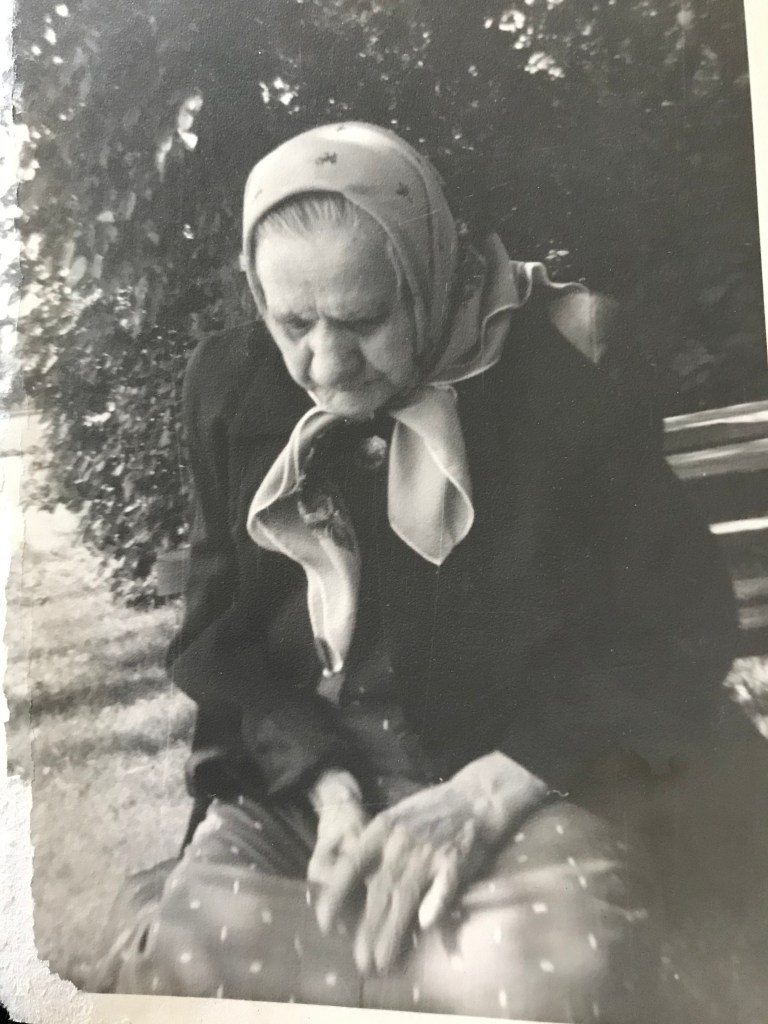
The woman who was already sitting in the pew to my left was an old woman, to me. But she noticed me. She looked at me! She told me her name – Verdell xxxxxxxx. Later, I would learn Verdell’s nickname in the community – “the grandma who went to jail,” for protesting issues that were important to her, civil rights. I didn’t know that then, when Verdell looked right at me and welcomed me. She told me that after church, she’d take me to meet Harvey Stower, the Young Adult Minister.

And so she did.

I have repeated that story to many congregations over the years, and each time, I put out my arm, my hand, and I tell the people that on that day, Verdell reached out her hand to me, and brought me into Church. When I arrived, lonely, looking for a community, Verdell was there, reaching toward me.

I’ve spent more time in my life in “Church” than is necessary, I’m sure! But at that point, I needed a welcome, a warmth, a connection. Apparently, when that connection was missing, I knew it, and I moved along. Apparently, when that connection was made, I knew it, and was gathered in.

Verdell introduced me to Harvey Stower that day. Over the course of my lifetime, I’m not sure I’ve ever met someone who was more extraverted than Harvey Stower. Years later, he’d take his extraversion into service as a Representative in the State of Wisconsin. But at the moment I needed to meet Harvey, he was there. And if Verdell reached out her hand to me and brought me in, Harvey helped me to connect. He saw me. His wisdom and his work on behalf of justice shaped my own call to ministry, a call that was rolling around in me, silent, at the time we met.

*

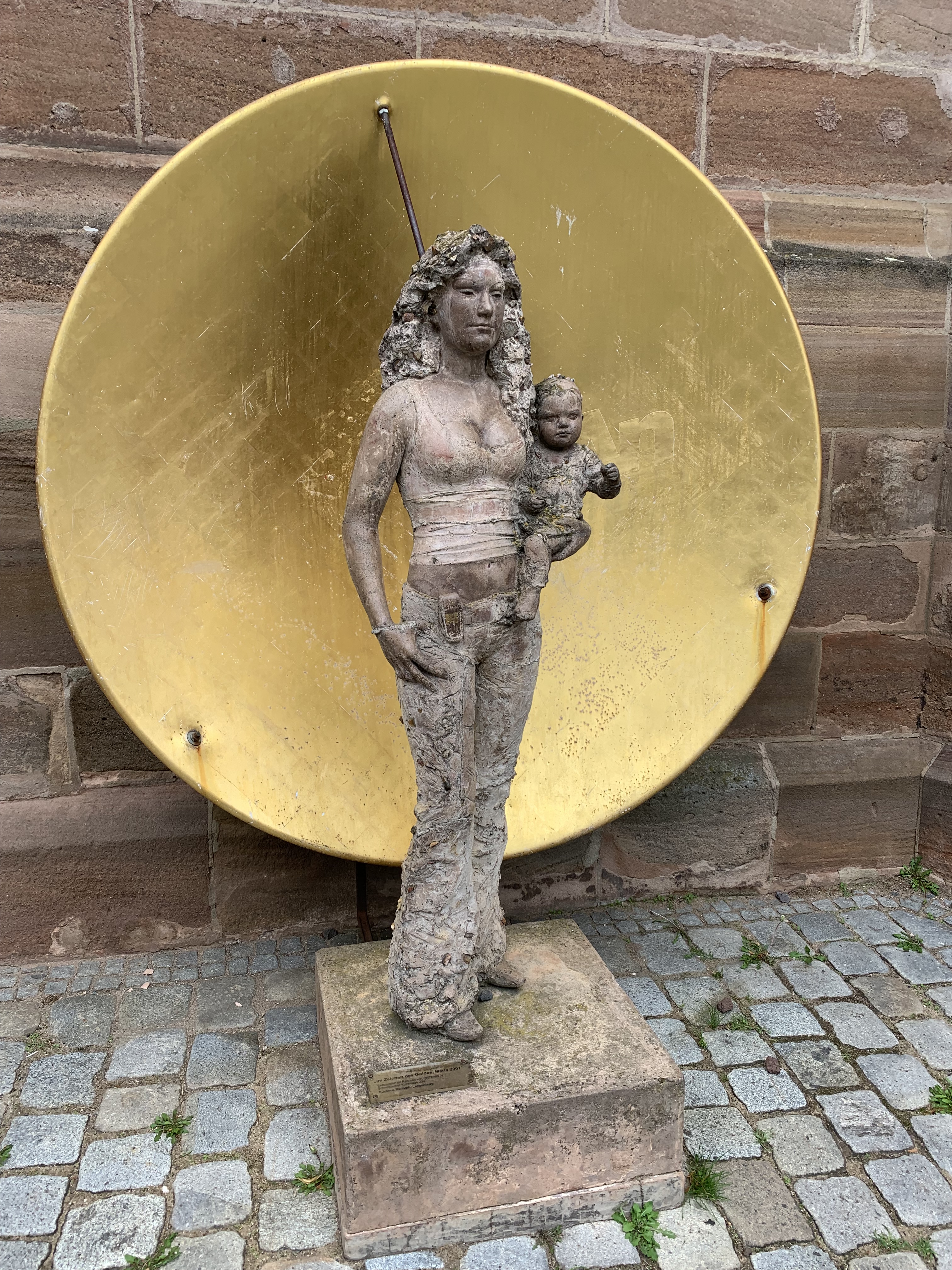
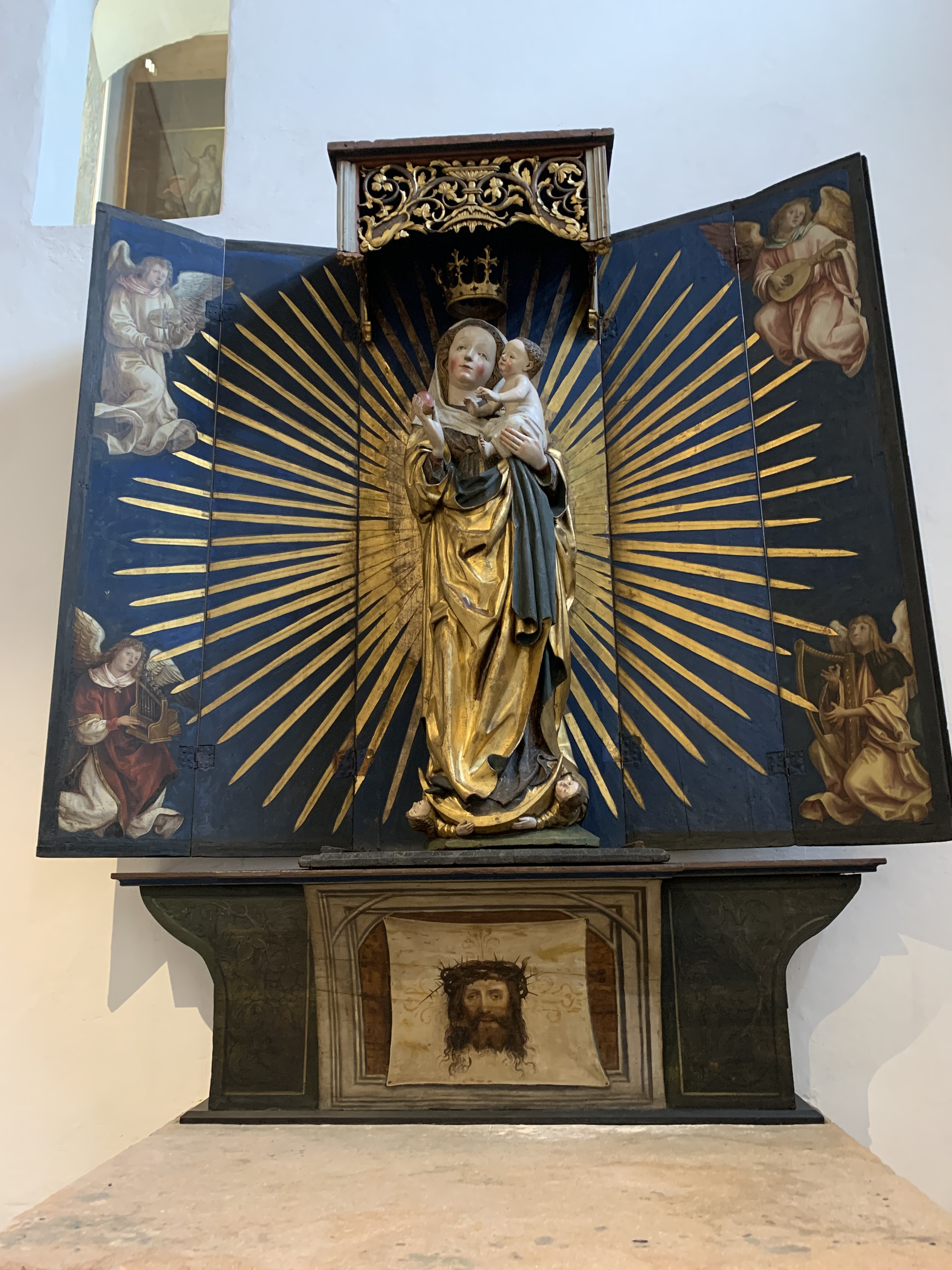
Jeff and I have just returned from three weeks in Germany. We’ve returned from our first cruise, which began our trip, and from four days spent with friends in Nuremberg, where we walked the city and saw the site of Hitler’s rallies, the site a warning to all of us to never forget what began there, and ended there. In Nuremberg, our friends made sure we visited several churches. Jeff and I have spent a lot of our lives as pastors. And we like to see the churches in Europe, hundreds of years old.

The simple, kind, warm gesture that Verdell offered me that day continues to ripple in my life. I don’t know if I ever told her. “Thank you, Verdell.”

community, nostalgia, remembering, Uncategorized

Meeting Joanne

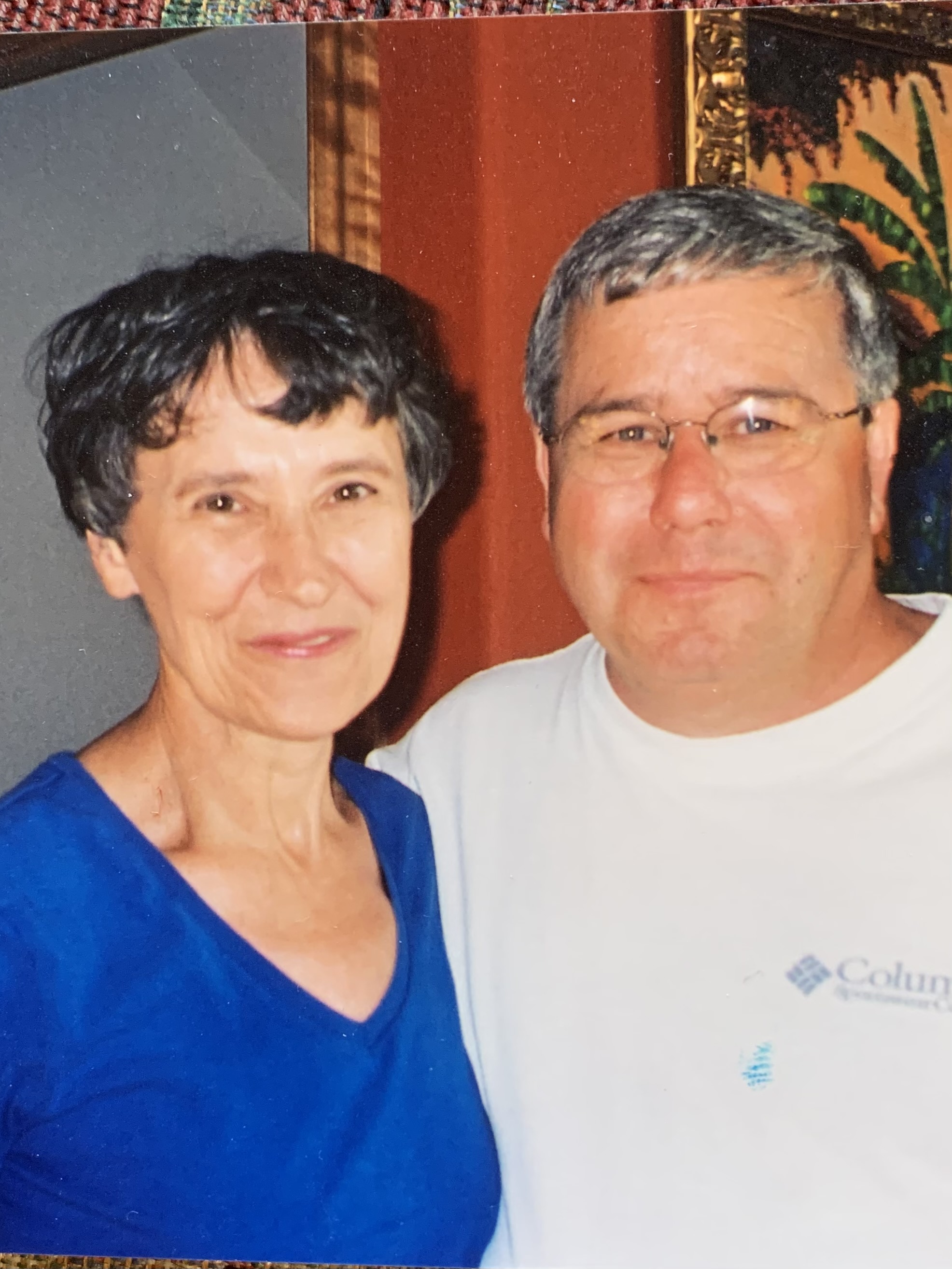
2023 marks fifty years since Joanne sat down across from me at my desk in the Social Security office in Green Bay, Wisconsin, smiled warmly at me, and said: “Do you golf?”

I answered: “I haven’t, but I could try.” I have never tried, in 50 years. But Joanne is still a good friend, to me, and to my husband, Jeff.

We were both Claims Representatives at the Social Security office in Green Bay, Wisconsin. I’d arrived at the office in June of 1973, after three months of training in the Minneapolis office. In March, I’d driven my red VW bug to Minneapolis while I received training, and now I was permanently assigned to Green Bay. When I came to the office, I was the first woman to work as a Claims Representative in that District, helping folks who were about to retire to complete their claim for benefits. Joanne would follow, a couple of months later. She’d been promoted from her job as a Service Representative. As a Service Representative, she’d helped folks with issues they had after they had begun to receive benefits: Retirement, Disability, Child’s Benefits. In the time I worked at Social Security, in the Green Bay office, at the office on the South Side of Milwaukee, and later, as a Field Representative out of the Waukesha office, I never ran into a person who performed the job better than Joanne. She read each of the papers that came across our desk each week, filing them in the proper place in her copy of the Social Security Manuel, the working details of implementing the Social Security Law. She was smart and competent, the hardest worker I knew.

We traveled together, driving to the Northeast, to Florida, to Washington, D.C., to Montreal and Quebec on our vacation times. We met one another’s friends. We lamented our lack of dates. We shared recipes. We took rides together on warm summer nights, ending up on the Eastern Shore of Green Bay, watching the sun set over the Bay. When I was able, I moved back to Milwaukee, and Joanne followed, not long after. She bought a little house and she spent her weekends and evenings working hard on that house. Joanne can do anything, in my estimation.

The contractor that helped her with one of her house projects told her that there was a nice, young, divorced man who lived in a house around the corner. He wanted them to meet. Sure enough, Rich and Joanne began to date, and after a couple of years, they married, in the spring of 1983. They moved into his little house in the neighborhood, and later, a larger house. In 2014, they moved into a home they’d built on a small lake in the county to the west of Milwaukee County. Joanne had accomplished her life long dream to live on the water.

I was in seminary when Joanne and Rich were married, and she stood up with me in my wedding to Jeff in Milwaukee in March of 1984. In later years, after I’d moved to California, she and my mother became good friends, baking and cooking together, enjoying one another. When my mother’s memory became bad and she needed help, Joanne visited her and answered her frantic phone calls, until we knew she had to move to be closer to me in California.

A few years ago – 2016 – I answered the phone in the kitchen on Labor Day, in the evening, when Jeff and I were about to go to bed. I heard Joanne’s voice then, and I heard something in it I hadn’t heard before. “Joanne?” I asked. And then again: “Joanne?” She told me that she and Rich had spent the day in Emergency at a local hospital. Rich had been diagnosed with Glioblastoma, an aggressive cancer that originates in the brain. By October 15 of that year, Rich was gone. Jeff and I made sure we cleared our calendars and made the trip to be at his Memorial. There, Joanne was surrounded by so many friends that she and Rich had made over the years, both Rich and Joanne folks who were important to the community in which they lived.

Joanne came to visit us in Oakland this past winter. She’d arrived from Wisconsin, hoping for some nice, sunny weather. Winter can be long and gray in the Midwest, and sadly, winter here was long and gray, also, one rain storm following another for days. But the conversation that started so long ago in Green Bay continued, and since Joanne was visiting, we explored some interesting places in the Bay Area.

Next week, Jeff and I will be flying to O’Hare Field in Chicago, where we’ll rent a car and drive to spend the first night of our trip with Joanne in her house on the water. We won’t run out of things to talk about, the three of us, and together, we’ll make sure we remember Rich, how he made us laugh, how he made Joanne laugh.

Uncategorized

I wish it would snow once…

Mom was diagnosed with cancer early in December of 2000. We took her home from the doctor’s office, Jeff and Mom and I silent as we made our way from his office to the elevator. We had all agreed to hospice care. When we took her back home to Mathilda Brown Home, the staff went into full gear as we all received an explanation about what hospice would entail. Jeff and I were grateful that Mom could stay in her little room, in the place she loved.

I visited daily then, and most days, I’d find Mom in her room, sitting in her chair, crowded next to her bed, or lying on the bed, resting. One day when I arrived, I found her on a wooden chair in the hallway, her bathrobe over a nightgown. She’d forgotten to change that day, so we went into her room and chose clothes more suitable for the day. “ I must be losing it!” she said.
Another day, Mom was sitting on the edge of her bed, facing the window that overlooked an alley and the playground of Oakland Tech. When I came into the room, Mom said, without turning her head: “ I wish it would snow once, just for me.”

I wished it would snow, then, too. As tough as winter can be in the Midwest, we Midwesterners love its beauty, those days when the snow falls silently and without a wind to rustle it, to the earth. That winter, in the days before Mom died in mid February, weather reports on local radio announced that there had been a sprinkling of snow high on the hills over Oakland. I wished I’d been able to take Mom to see it, but by then, she was confined to bed.

reflecting, Uncategorized

Season of Holidays

In the Mediterranean climate in the Bay Area, we know the weather, the sky, the light is changing, heralding the coming holiday time. The changes are subtle here, but the leaves fall from some of the trees, and the color is changing – the color not only of the trees, but the light in the sky, the early darkness. It’s winter now. The Season of Holidays has arrived.

The Bay Area is a diverse area of the country, and here we respect many traditions and the holidays they honor. Many of them reflect this time of darkness, this season. In my own faith tradition, we enter the liturgical season of Advent, four Sundays before Christmas Eve and Christmas Day, four Sundays filled with stories of those ancient, ancient people who longed for a Messiah – waited for the Coming of the Messiah. In the darkest time of year, we honor the Coming of the Light, the Holy One. In the darkest times of our lives, we long for someone to save us, for someone to come to us who will fulfill our longing.

I have always loved the time of Advent, those four Sundays before Christmas. As a pastor, I worked as hard as I could to have the good church folks “stay put” in the season of Advent, to have them hear the stories of the faith as if the Light had not come, to sing the songs that tell the story of the people who wait. As the autumn gives way to winter, we watch the days grow shorter. The sun falls earlier each day into the west. The last rays of each day come earlier, day by day, until we know the longest night. We are fully in the darkest time, then, we exist within it. Although we know the Light will come – as it has before – we still must live within this darkest time.

Advent is a time of darkness. In our lives, we know Advent well. A marriage ends. A depression has its hold on us – longer than we can bear, it seems. A relationship that is floundering goes on and on until its participants are exhausted with the ending. An illness has us in its grip, and though we long for it to end, it does not. The times of emptiness go on and on, without subsiding. We know so well these times of Advent, before we come to a time when we will breathe again.

And we are in that season, now. Of course the churches will begin to sing the Christmas Carols – soon. Too soon, for me. I want to honor, to respect this time of waiting, of preparation, of darkness. And there will be time for the lights to be hung on the tree, to be lit each evening as soon as the sky becomes dark. There will be a time for the Light. Are we afraid of the darkness? I want to write: of course we are. Who doesn’t want the times of sorrow, the grief, the depression, so hard to bear, to end? Who doesn’t want the light to come on so that we can see our way down the hall? But there is that moment of darkness, there is that season of darkness – when the promise is held before us – waiting in the wings – but not given.

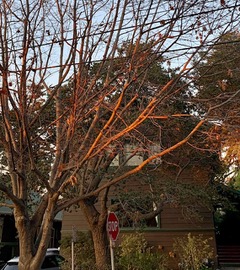
Early Sunset, Autumn. Photo by Mary Elyn Bahlert, November 17, 2022.

Uncategorized

A New Rhythm

Over the past two years, life has developed a new rhythm. I didn’t choose to move into a new rhythm – the choice was made, and given to me, as it was given to everyone else. In the first days of the COVID sheltering-in-place mandate, the streets were quiet. If I needed to drive myself, it was seldom, and for short distances. For the most part, I stayed close to home.

You have your story of COVID-time, I’m sure. This is my story.

Activities that were meaningful to me – classes at a Senior Center, or volunteering as a chaplain at a local hospital – stopped immediately. My familiar routine was erased, also. A few friends stayed in contact as they adjusted to this change in all our lives; one friend, who is the last person to call – ever – called me one evening just to chat. At Thanksgiving, we had to forgo the usual family gathering in San Francisco for a ZOOM call, listening to each person talk about what their life was like now.

Some days, my husband and I would drive a distance – 30, 40 miles – to walk. Over time, we developed favorite places, places to which we’ve returned again and again. We came to enjoy walks at the Martinez Slough, where we watched the water ebb and flow from the tide, sometimes allowing us to see a shipwreck in the Carquinez Strait, sometimes not. Often afterward, we’d drive through the neighborhoods of Martinez, sightseers with a lot of time on our hands. Or we’d walk downtown, alone on the empty streets.

We walked in downtown Oakland, too, not far from our home. In the weeks after the George Floyd protests, we took our time, looking at the graffiti that lined the buildings on Broadway. We stopped to take pictures. We discovered places in our city we had not seen before, or places that we had only driven past in our cars.

As the months passed, we became more accustomed to this new, quieting rhythm, and we added new sites to our list of walks. One day, we drove to Half Moon Bay, where we walked along the shore of the Pacific Ocean, and then we walked on the high ridge that overlooks the shore. Because we live across the Bay from San Francisco, whose skyline we can see from our front window, we started to drive across the Bay Bridge – a dream to drive in pandemic days, with so little traffic! – to a different neighborhood on each visit, for a long walk on the hills, taking in the sites of the new places that we discovered.

One day in the fall of that first year, we drove to Apple Hill in the foothills of the Sierra Mountains for the yearly Apple Festival. We were grateful that the booths and stands, open-air, were open, yet were not filled with people from a long line of tour buses, which they had been in the past. The sight-seers’ loss was our gain as we enjoyed the quiet and safe surroundings.

Those early days of the pandemic are in the past, now. The busy street a block from our house is busy again. During the day and at night, I can hear the traffic passing, cars filled with folks busy in their lives. Now, although I continue to go to the grocery store early in the day – a habit I developed during the pandemic – even then, it can be busy, with lines of people waiting to check out.

Now, we are waiting – again – for another spike in COVID cases to complete its work, and, now, having learned about the ability of the virus to evolve again, and again, those early days are a long time ago. This is a new time, it seems.

Still, what will our lives be like when we are not barraged daily with new virus updates – the number of deaths, rising again, news stories of the famous who have lost their lives to COVID, COVID as the central and first news story, day after day?? We listen to the news each day, noting whether or not COVID is the first story of the newscast.

I’m in an in-between time, once again, in my life. What will interest me now? Where will I ever want to go, after this pandemic has moved into endemic mode? What will this new stage of my life, a stage I am not entering alone, but with all the other inhabitants of this world, be like? What will have changed, and what will not have changed? I guess, mostly, this is a time of questions.

Driving into Oakland from San Francisco on the Bay Bridge, March 16, 2020. The ship pictured was a cruise ship stranded in Oakland at the beginning of the pandemic. Photo credit: Mary Elyn Bahlert