beauty, reflecting, remembering, Uncategorized

Closet Catholic

Sometimes I think I’m a closet Catholic. I didn’t grow up Catholic, like so many of my friends in Milwaukee. I grew up understanding that my family wasn’t Catholic. In the 1950’s and 1960’s, many families still went to church together, although mine did not. I understood that we were not church people, because I had friends who were “church people,” whose families went to church together every week. As I got older, I came to understand and to accept my family’s distrust of “church.” They had their reasons.

Still, when I was in Junior High School, my mother made sure I was enrolled in Confirmation Class at a neighborhood Lutheran Church. Every Saturday morning for two school years, I studied – and memorized – Luther’s Small Catechism with the Deaconess, and then I studied once a week with the Pastor for a year before I was confirmed with a large Confirmation Class, on Palm Sunday, when I was 14. Almost immediately, I stopped going to church.

I was a University student in the late 60’s and early 70’s, that time of anti-war protests and hippies marching in the streets, and so it was a strange quirk inside of me that set my mind on becoming a woman pastor, at a time when there were few women pastors, at a time when I had not heard of such a thing as a woman pastor. At least I had the idea, with no plans in sight, to go to seminary to study.

I still had to find a church, and I found a place for myself in the United Methodist Church, where I met Harvey Stower, a Young Adult Minister, who asked me: “have you ever thought about going to seminary?” My answer: “I think about it all the time, but I don’t tell anyone about it.” Within a year, I was on my way to seminary in Berkeley, on my way to being ordained, on my way to a life in the Church.

And so it must seem odd to think of myself as a Closet Catholic, since the Roman Catholic Church has still not seen its way to ordaining women.

I tell people that “I love the Mass.” I love liturgy. There is something in the rhythm of the Mass, of the reciting of the words that have been recited for centuries, across the world, that touches me. Maybe it’s because my ancestors were Catholic, on another continent, at another time, before they were harmed by the Church. Maybe it’s my love of poetry, of the sounds of things that are beautiful sounds. Maybe it’s my deep connection to the life of faith, that deep connection that had me searching before I knew I was searching.

I do come to Mass with my own judgements: where are the women here? where are the women-priests? What of the damage the Church has done – is doing – in so many people’s lives?

And I set those judgements aside when I go to Mass. I feel a connection there, a connection that is not dependent on the others who are worshipping with me. The connection is deep, deep inside of me, and deep inside the words, the recitations, the incantations. The connection is there, in spite of me. I don’t get it. My understanding does not matter to me.

And so I show up from time to time at Mass, responding when I can, taking in the sanctuary where I sit, the crucifix high in front, the Altar with the elements central to the sanctuary. I listen to the words and I feel myself there – a bit out of place, but still – not out of place at all.

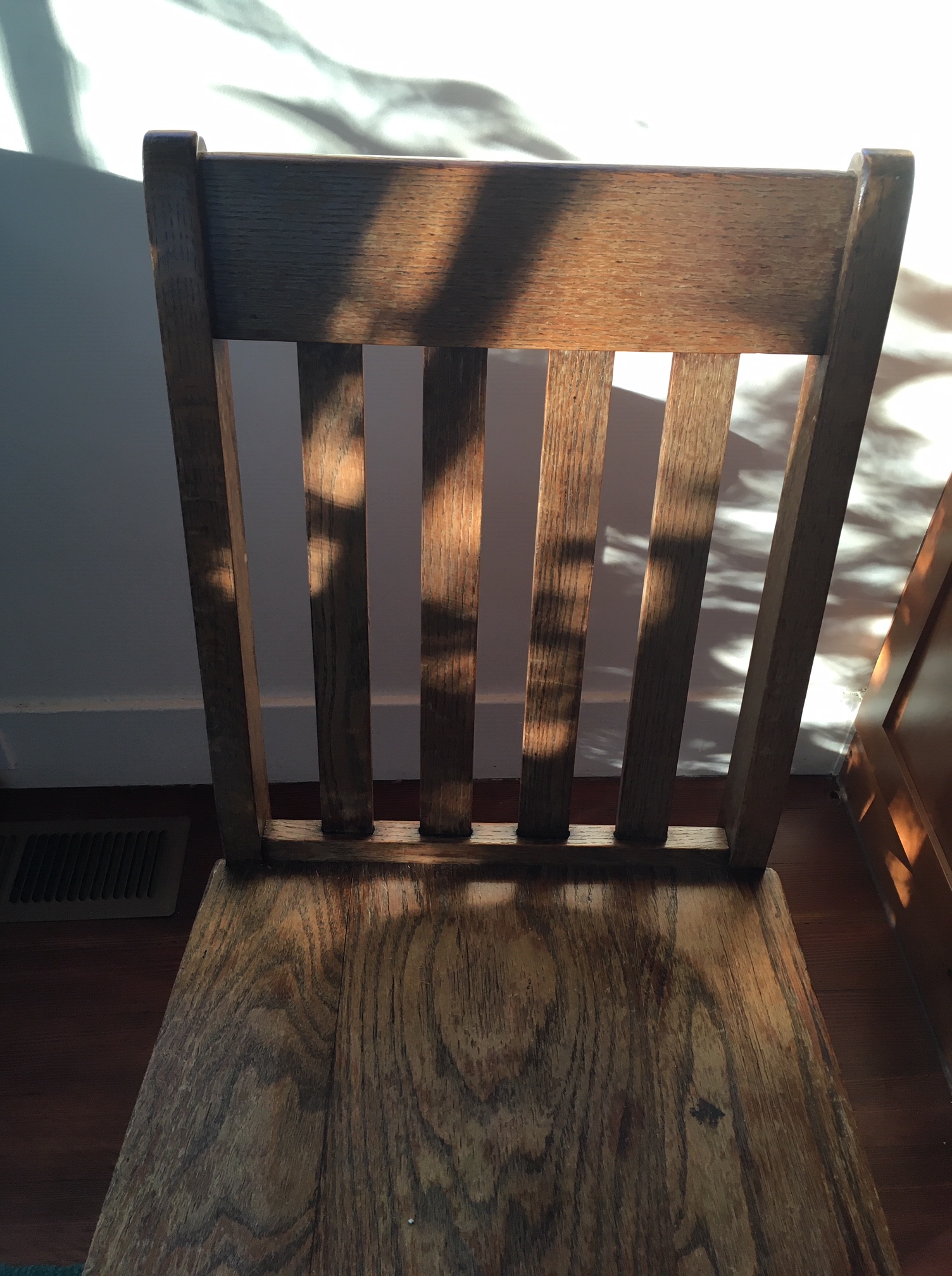
A winter’s day, Martinez – photo by Mary Elyn Bahlert, 1/2023

Uncategorized

borscht

I make the best borscht in the world. Period. And I only make the best borscht in the world once a year. And I only make borscht in the winter.

During the cozy winter months in Milwaukee, my mother would make soup – her soups. There was barley soup and chicken soup and there was borscht. From the time I was little, I loved borscht. I’ve ordered borscht in restaurants in several places in the world, but there is no other borscht than the deep red, tart soup my mother made. My Uncle Johnny, too, would make borscht, and it tasted like Mom’s. That is borscht to me.

Over the years, I’ve come to call my mother’s rendition of borscht, “peasant borscht,” to distinguish it from meatless borscht served in Jewish delis. Mom’s borscht was a deep, deep red, colored by the large beets, sliced just so, and rich with beef and pork and cabbage and onions and potatoes and tomatoes. One bowl is a complete meal. And a good pot of borscht can last through almost a week of suppers at our place.

When I make borscht, I use the recipe my mother penned to me several years before she died, in her hand. I treasure the book with her distinctive handwriting, and her self drawn illustration of how to cut the cabbage. As in: “then add the beets – sliced thusly”, in parentheses. Followed by an illustration of the proper cut.

When I was a child, Mom would call me into the kitchen to suck the marrow out of the spare ribs. Nothing like it in the world – in my world. I loved her borscht then, and I love it now. When Suzie and I remember specific details of the days of our growing up in Milwaukee, we mention the food, of course. Suzie disliked borscht then, and she hasn’t ever made it. She preferred the barley soup.

For me, offering a meal of borscht to a friend is a great gift. One day a few years before she passed, I invited my dear friend Bonnie to join me for lunch at my place, so she could enjoy the pot of borscht I’d made during the days leading up to Christmas. We sat at the table in the dining room, eating the borscht with dark rye bread covered in sour cream, salt sprinkled across the top, and talking.

The next time I saw Bonnie, she shared with me an elaborate account of why she didn’t eat beets, hadn’t her whole life after a bad experience as a child. So she’d dutifully eaten her bowl of borscht because she had seen how excited I was to offer it to her! A true friend must be someone who eats your borscht!

The rains are falling this year, and we are already into March, without a sign of letting up. I haven’t made the huge pot of borscht that we’ll enjoy for several days, sitting in the dining room across from the black and white photo of my grandparents from Ukraine along with my mother’s eldest brother, Johnny, a photo taken over a century ago. So it’s time to enjoy that secret recipe another time.

Maybe it’s time, also, to invite the ancestors to join us at the table as we eat. At the end of her hand-written borscht recipe, dated May 13, 1992, she wrote:

“Enjoy! Any questions – just call! Mom Bahlert”

A perfect pot of borscht! photo by Mary Elyn Bahlert, 11/2022

Uncategorized

Grandma and Me

I leaned over the railing of the front porch of the Upper Flat on Ring Street, and I craned my head to look down the alley to the left.  A long way down the alley – almost to Burleigh Street – I saw the little figure, long dark coat almost touching the ground – of Grandma.  She walked slowly – my Grandma was old – and she looked down at the pavement.  Careful.  Old.  As she got closer, I saw her head was wrapped in a thick black scarf decorated with the bright colors of flowers.  The scarf covered her hair, except for the hairline in the front, and she had tied it in a knot at the back of her neck.  She didn’t look up, not even once. 

When Grandma came up the narrow stairs and into the flat, I watched her from the other side of the living room.  She looked at me once, twice, and a little smile came to her face.  And then she talked, but only to Mom.  They spoke their own language when she came over, and I didn’t understand.  So I played on the floor across from the couch and listened.  I listened and listened.  What did they say?  I listened and listened.  

Years later, after she died, Grandma would come to me, as if in a dream.  And she stayed with me for a long time.  “Why did she come to me?”  I asked a friend.  “Who else would she go to?” she answered, wisely.

My favorite picture of Grandma – Feodosia Machsuda Srebny – shows her with a little smile on her face, sitting with me and Ronnie at the table.  Ronnie wanted to be cool, a teenager.  I love the picture because she is smiling, and her eyes are smiling.  I don’t think of her as smiling, a little foreign woman – foreign even to me – poor, sad.  When she was older she didn’t say any words in English.  She forgot.  Only Mom could talk to her then.  

At Easter, we decorated eggs – some in the old fashioned way, pysanke – and some just dipped into colors:  blue, pink, yellow.  We blew raw eggs out through holes on the ends and Mom took hours to craft hers. Ronnie was good at it, I think.  And Mom.  But Grandma didn’t make the eggs.  She sat on the couch in her long black dress, her dark hair held back in a loose bun, streaked with gray, her fingers bent as she tried to crack eggs with Suzie.  

Daddy and I would go to get her at the nursing home and bring her home for Easter dinner.  And soon after dinner, she’d look at my mother again and again, asking to go home.  Mom did the same thing when she got old.  

Uncategorized

walking alone

My father was diagnosed with colon cancer within the year after he retired from 40 years of work in the steel mill at A.O. Smith Corporation in Milwaukee, retiring as an inspector. He and my mother had looked forward to retirement, and now, something intervened to make that retirement less assured than they had expected.

My father was not a man to speak up to someone, to offer his own opinion, if that opinion was different. While he was very extraverted – very extraverted – he kept his feelings to himself, and within his family. Being diagnosed with cancer changed that in some ways.

For one thing, he questioned his doctor more, eventually giving up on his physician when he failed to see the signs that the cancer had returned, in later years. But his voice came to life in another way, and what he said has stayed with me.

He told me that as he was being wheeled into the surgery to have the cancer removed, and to be fitted with a colostomy – which he had to the end of his life, ten years later – the nurse who walked beside him, being kind, said to him: “we’ll be in there with you,” as a word of assurance. “No,” he told her: “I’ll be in there alone.”

How true of what he was facing, what he faced.

I was reminded of that as we sang the words to an old song today in worship:

“Jesus walked this lonesome valley;
He had to walk it by himself.
Oh, nobody else could walk it for him;
He had to walk it by himself.

We must walk this lonesome valley;
We have to walk it by ourselves.
Oh, nobody else can walk it for us;
We have to walk it by ourselves.” – words and music, Eileen M. Johnson, public domain

Finally, we each walk our path alone. Community is a great gift on the journey along that path, but the final leg of the journey, the final act, is ours alone.

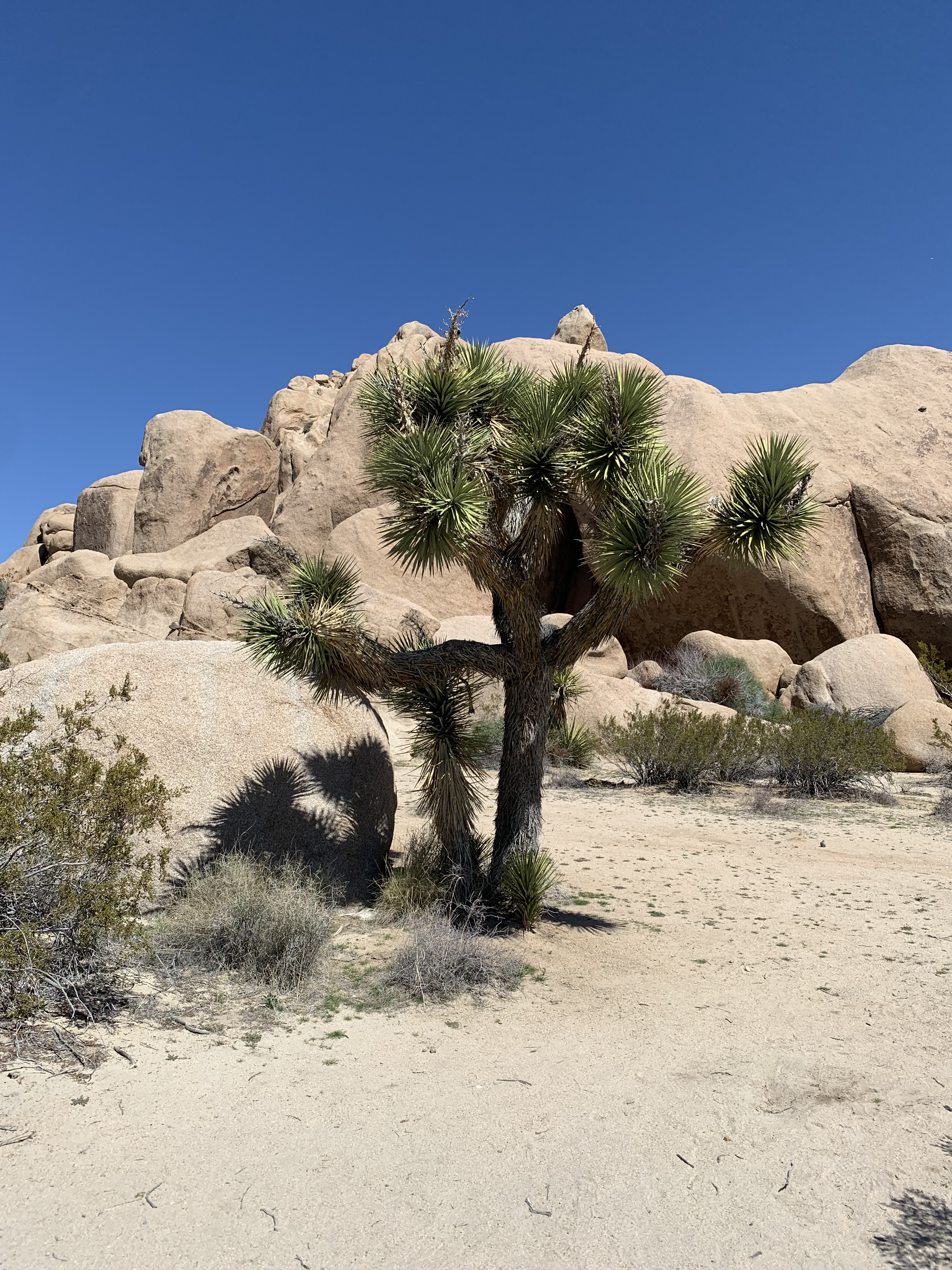
photo, Murnau, Germany, 8/3/20323 photo by Mary Elyn Bahlert

Uncategorized

Woman’s work

My mother was a product of the 30’s – when she came of age.  When she and my father married – her second marriage, my father’s first – she quit her office job at Cutler Hammer to stay at home to work as a housewife. She had been well regarded at her work, crafting a life for herself as she navigated being a single mother to my brother, Ronnie.  

From the beginning, my life had taken a different shape than my mother’s, whose parents kept a sort of “rooming house” for men who arrived in Milwaukee alone, without families, from Ukraine.  Her first language had been Ukrainian, and she made her way through the 9th grade before quitting school to go to work.  Like many of the children of immigrants, she taught her father to read and write English.  She would have been a great teacher, I’m sure.  But that path was not open to her.

My parents – who both valued education, although that path had not been theirs – supported me as I lived at home and commuted to the University of Wisconsin-Milwaukee to get a degree in English.  I graduated in the winter of 1973 and worked for several weeks in the offices at A. O. Smith, the steel mill where my father worked as an inspector on frames.  Then I interviewed with several other young people – also new college graduates – for an entry level position as a Claims Representative for the Social Security Administration.  In 1973, SSA was bracing itself for the coming of the Supplemental Security Income, which offered benefits – not livable benefits, but benefits, just the same – to the disabled and elderly.  And so I was hired, along with other college graduates from all over the country, and left home to train as a CR at the Social Security Administration in Minneapolis.   At the end of training, we all waited anxiously for news of our assignment, and I was relieved when I was sent to Green Bay, Wisconsin – a city, at least – to begin my career with the government.  

When I arrived in the office in Green Bay, I took my place at one of the desks in the long row of desks, separated by a center aisle, in the offices of SSA, on the second floor of a government building in downtown Green Bay.   I was the first woman to work as a Claims Representative in that office, although a woman who had been promoted from her current position – Joanne – was away at training to hold the same position.  Five days a week, we interviewed, completed applications, followed up to back up the applications with photocopies of the necessary documents for each applicant, and adjudicated the claims that came with the people we’d interviewed.  The SSA and SSI laws were constantly changing, and week after week, we received pages and pages of material that needed to be read and filed in the proper place in the copy of the SSA Law that each one of us had at our work stations. 

It would take three years for me to achieve journeyman status as a Claims Representative.  I’m grateful for the additional training I received in public relations and management through the government, traveling from time to time to Chicago to take a class (I’ve written about my trips to the Big City in another post), offering training to the other CR’s, receiving training.  A year or two into my work at the office in Green Bay, the new building in downtown that would house only the Social Security District Office was complete, and we moved – files, machines, desks, and all – to the new office.  I commuted each day three miles to my little one bedroom apartment in Ashwaubenon – home to the Green Bay Packer stadium, Lambeau Field.  

My apartment was simply furnished with a telephone on the wall.  I had a black and white television and a turntable and speakers for my LP’s.  Mostly, I watched PBS shows, one or two nights a week.  A small round table with four chairs filled the small space between the kitchen and the carpeted living area.  Sitting on the second hand couch I’d found – somewhere – I read a new magazine I’d heard about and subscribed to:  Ms. Magazine, Gloria Steinem, publisher.  I was hooked.  I read those monthly issues of Ms. from cover to cover, reading articles that opened my mind to a new way of looking at the world.   

Looking back now, I can say it this way:  my consciousness was raised.  I had a “feminist click,” a way of looking at my life and the lives of other women that shed light on the second class status that women had – have – in our society, and in the world.  

The work world continued in my day job.  Every few months, a paper would appear on my desk, passed from one person to the next, asking the women in the office to sign up for a week to clean the break room at end of the week.  Like the other women in the office, I signed my name dutifully, not thinking more about it.  Until.  Until what?  

One day when that sign-up sheet arrived on my desk, I picked it up, walked to the desk of the Administrative Assistant, outside the office of the District Manager, threw the sign-up sheet that already boasted some signatures onto her desk, and said:  “until the men have to sign up too, I’m not going to clean the break room.  I’m a CR, too.”  Usually easygoing and fun, I could see that the AA was stunned. I walked back to my desk.

I suppose something had to be done: the District Manager consulted, discussions needed to be held, opinions shared (I’m sure) – all behind closed doors.  

A few days later, we learned of a new policy regarding the clean-up of the break room:  the cleaning folks who came after hours to vacuum and get rid of the endless papers would be cleaning the break room from here on out. 

*

To me, it seemed like a half victory – still, I’d stuck my neck out to say “no more.”  To this day, I’m disappointed at the result, because I realize allowance had been made to make sure the men – who held the same position and grade as I did – did not have to clean the break room.  I’m sure they retired without ever having to do the job.

Years later, when I was pastor at Lake Merritt United Methodist Church in downtown Oakland, I told the story as an illustration in a sermon.  I wish I could at least remember the text!  What I do remember is that after I’d told the story, the gathered worshippers had a reaction:  they applauded!