There was always room for a sewing machine in our upper flat. Looking back now, I see how cramped those working class houses were, their windows covered with curtains to keep out the cold of the freezing winters in the Midwest. But there was always room for Mom’s sewing machine.
Well, it was Mom’s sewing machine until Suzie and I learned to sew. Then, if I was working on an outfit with a Simplicity or McCall’s pattern, chances are that either Mom or Suzie was working on something too, and when I stepped away from the machine to get another piece of fabric, carefully looking at the directions – I’d find a spool of thread in a color that didn’t match my material already in the machine. The sewing machine was ours – the three of us.
Like a lot of mothers over time, Mom was happy to have two daughters for her to make homemade clothes from the patterns. She must have worked many hours when we were at school and when Daddy was at work in the steel mill. And because she was happy to have two daughters, she was extra happy (I expect) to be able to make them matching outfits. To make us matching outfits – Suzie and me.
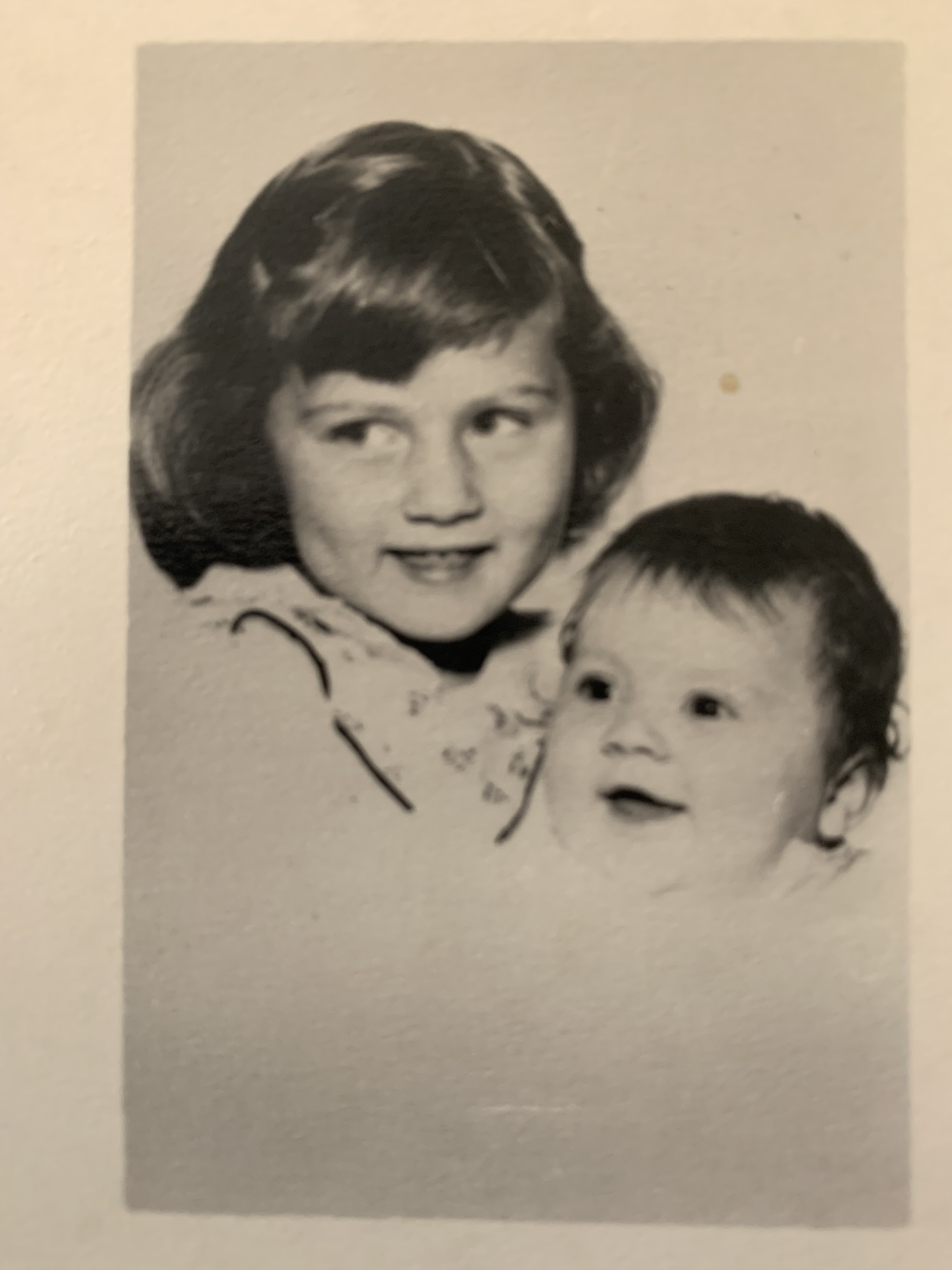
One Easter, Mom made Suzie and me matching dresses, including capes lined in pink fabric. She bought matching Easter hats – “in your Easter bonnet…” and Suzie and I were models, standing together on the front lawn of the flat, looking into the camera.
Mom made us matching outfits, that is, until I told her at some point that I didn’t want to be dressed like my little sister. Thankfully, Mom agreed – or at least understood – because I heard her tell the story to my Auntie Anne not long after. And so the days of matching outfits came to an end.
+
We are well into the 21st century now, and those days in the cramped flats – winter and summer, and fall and spring, when the fragrance of lilacs in the huge bushes in front yards that adorned the streets wafted down to walk with us – are well in the past. It’s interesting that some of the feelings remain, filtered through the grief at remembering all those who are gone now, and how they loved us, each in their own way. How their dreams still live in us.
And I’m grateful for my mother – coming from poverty and abuse – and how she crafted the best life she could for us, for us all. How she protected us, to the best of her ability, how she made a home for us, and how happy she must have been to sew Easter outfits for her two daughters.
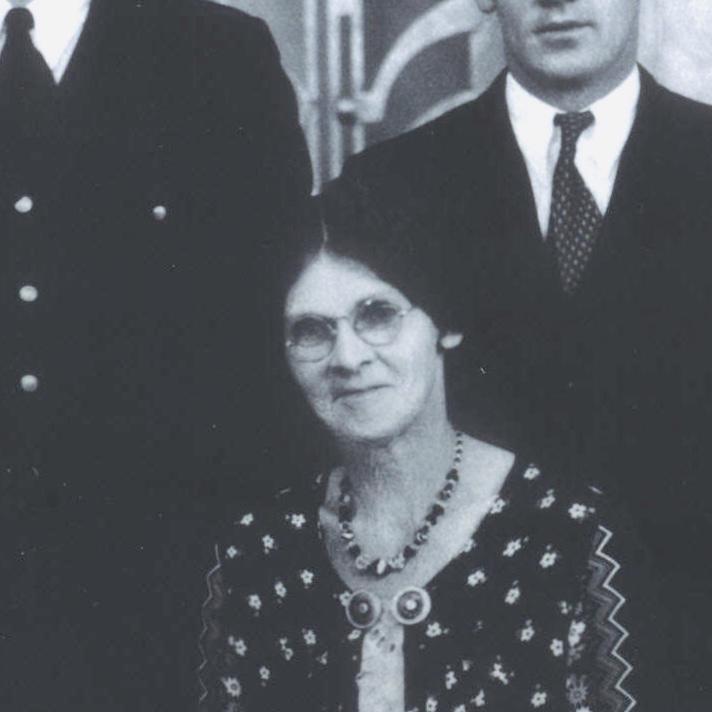
My most vivid memory of my Grandma Bahlert is seeing her – tall and thin – as she opened the door of the little cabin that Uncle Erdreich had built for her and Grandpa, right behind his and Auntie Irene’s house, on the road in Baileys Harbor that led from Highway 57 to a gravel road deep in the woods, a swamp.
Daddy and I had made the long drive from Milwaukee to Baileys Harbor on a Friday night, and we had left Momma and the baby and Ronnie back at home in Milwaukee. Momma and Daddy must have agreed – and known – that this was to be an important trip, and so Daddy drove the four + hours along Lake Michigan when darkness had already descended, to see his Mother. I didn’t feel well on the way, and so I lay down in the back seat, and when we entered Door County, I watched the shadows of the trees that stood, tall and deep, dark, along the highway. Daddy drove on.
When we arrived at the house, Daddy and I walked up to the door of the cabin, and Grandma Bahlert stood at the door to “greet us,” she would have said.
Auntie Irene’s buoyancy, her love of children, must have greeted us first. Later that evening, I would lay on a couch in the living room of the pieced-together house that Erdreich had built – a house that grew longer and more filled with furniture and knick-knacks as the years passed. And when I couldn’t get to sleep, Auntie Irene went next door to get my Daddy, who lay with me cuddled up against him as he fell asleep on the couch.
In her letters – written in a primitive, elementary school handwriting – to my folks, my Grandma Bahlert had mentioned, again and again, “my little Mary.”
A few months later, she was gone. Auntie Edna – who always took charge of such things – had called us on the telephone, and when Daddy came back to sit in his chair, he cried.
Years later, I would ask to see Grandma in a dream, before I fell asleep. She didn’t come for many nights, but then I had a dream! I was standing at a grave, Grandma Bahlert’s grave, and I was alone. When I awoke, I knew the message of the dream to me: “she’s really dead.”
+
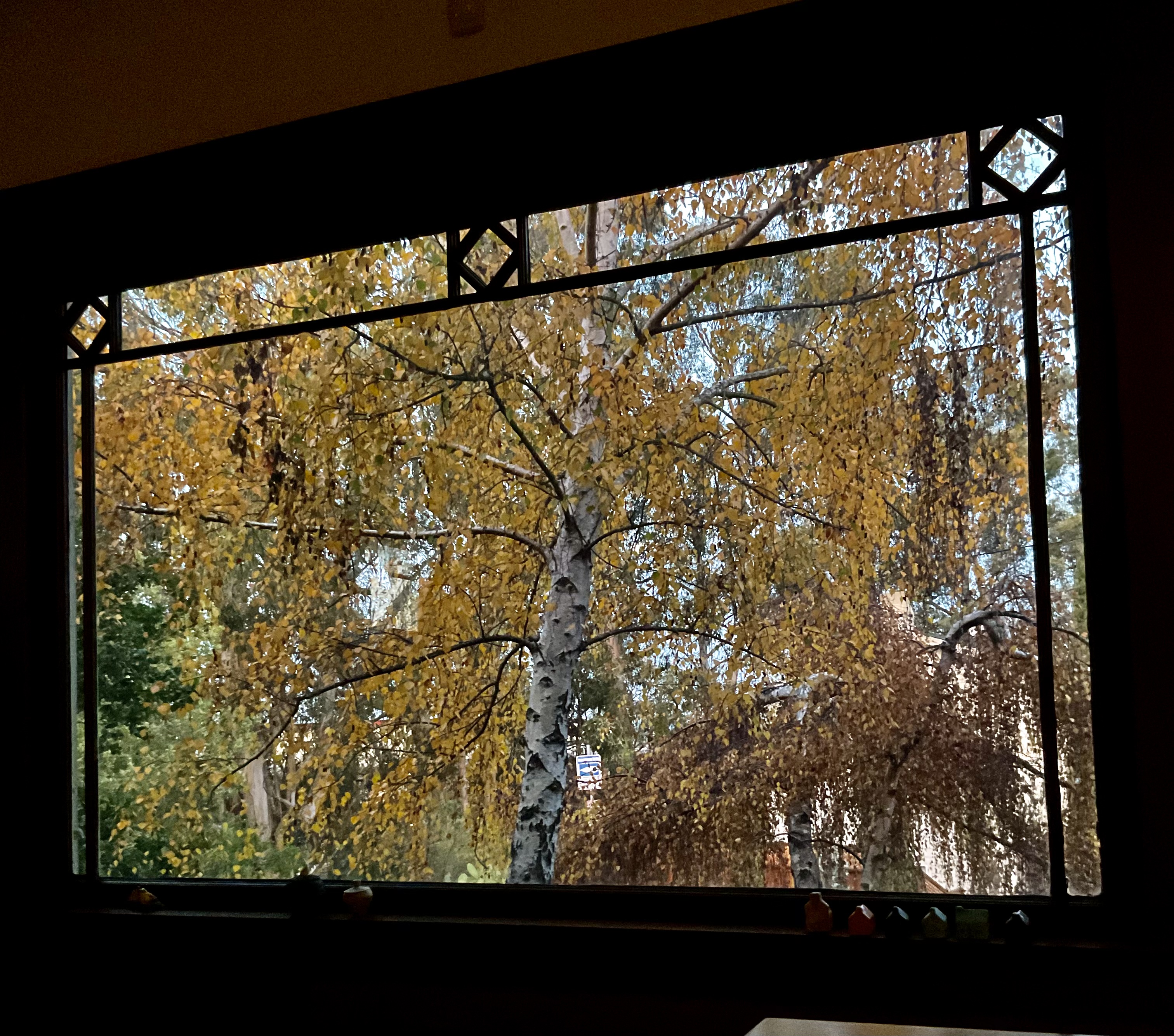
From where I sit at the dining room table where Jeff and I eat dinner together every evening, I look out onto the beautiful trees that fill my sight at the dining room windows. In the center of the windows, on the counter on which I place beautiful things to enjoy, I have placed two black-framed photos, both in black and white. The photos are old, and the manner of dress attests to that. On the right are my Grandpa Markowski, Grandma Markowski, John – Ivan, about 4 years old – standing in front of them in an old-fashioned sailor suit. They are not smiling, as seems to have been the custom when taking pictures at that time.
To the left is another photo, a photo of the Bahlert family. They were good-looking people, all. The year was 1910, judging from the ages of the children. On my grandmother’s lap is a baby with big brown eyes, looking, like the rest, into the camera. The baby is my father, Frank. His twin, Carl, had already died, only a few months old. Grandma has a small smile on her lips as she holds her baby. Maybe it was for the picture, or perhaps she was happy to be surrounded by the little ones she loved so well.
I think of them often, I remember my Grandma Bahlert’s love for me, always. When I return to Door County, filled with tourists now, I go by the quiet, less traveled roads to the graveyard at the Sister Bay Moravian Church, and I always stand at the graves for many minutes, thinking of them having come to this place, at the end.
A few years ago, I messaged my first cousin’s son, Eric, to tell him what I remembered of his Grandpa, my Uncle Johnny – Ivan – my mother’s eldest sibling. I told Eric how his Grandpa had loved him so much. To my message, Eric replied: “I remember the love.”