I met Jesu 15 years ago. He arrived to worship on a Sunday, and after church – like so many refugees who came to church – he asked me for a Bible to take with him to the small apartment he shared with several other men, also refugees, separated from their families. I gave him a Bible – a King James Version – and then I fretted about it all week, the fact that I’d given him a Bible in archaic language. I understood he’d want to learn to read and to speak English well. He showed up again the next Sunday with the Bible I’d given him in his hands. Jesu had realized quickly my mistake. We traded Bibles that day. This time, I handed him a Revised Standard Version, the better to learn a new language.
I learned that Jesu had had to flee his country overnight after being threatened with death by the Tamil Tigers, a terrorist group who was active in Sri Lanka at the time.
My memory of Jesu in the early days of knowing him is that he looked like a deer in the headlights. I am often reminded of what I call the “greater wisdom” of the United Nations to have sent him to such an expensive part of the country. But he adapted well, and quickly, and to becoming a citizen of the United States.
Jesu was a fast learner. And he also worked quickly to bring his wife, Letchumi, and first born daughter to the United States. They arrived some time later. When Simiya stepped off the plane at San Francisco International Airport and walked with her mother to her father, she was surprised. From pictures she’d seen, she had thought that everyone in the United States was white, and there stood her waiting father – as dark-skinned as could be!
Jesu, Letchumi, and Simiya moved into a one bedroom apartment in a neighborhood not far from Lake Merritt United Methodist Church. And from that one bedroom apartment, they have built a new life in their new land. A year later, a second daughter arrived. Letchumi had been surprised when the women of the church gave her a baby shower after worship one day. In her country, the family that was having the child gave the gifts! And so, Saumiya joined the family.
In Sri Lanka, Jesu had been a pastor. He had met Letchumi in the village in which he had his church. In the United States, he is pursuing another path. He has nearly completed his education to receive his license to be a Certified Public Accountant. His elder daughter, Simiya, also attends University to become a CPA. Having been raised so poor, she has her sights on another life for herself. I could see it unfolding in her even before she finished high school. And Jesu and Letchumi see their life now as the stepping stones for the life their daughters will live.
When the new baby girl was still in a car seat, I picked Letchumi up at the apartment one day and drove to the Jamba Juice in my neighborhood in North Oakland. I had spoken to the manager, who I’d come to know, as a regular customer. He agreed to meet Letchumi, to give her a job. While she went to meet with the manager, I walked up and down the sidewalks lining the Safeway parking lot with little Saumiya toddling at my side. And so, Letchumi – who has several degrees from her own country – started at Jamba Juice. That was almost 14 years ago. Since then, Letchumi has become a manager at Jamba Juice. And her beautiful, smart daughter, Simiya, has joined her as a worker at the same store.
*
Jesu and I share a birthday – August 2. In the years since he and Letchumi and their daughters have been here, we have celebrated our birthdays together each August. We also gather during the Christmas holidays, when Jesu and his family bring us a complete, generous, home-cooked Sri Lankan meal. As we sit around the table, we catch up on the activities of Jesu and Letchumi and family, we hear about their hard work and studies to make a new life in a new land. Soon, Jesu will have completed the test to receive a CPA license, and he’ll be looking for a firm in which to work. Letchumi sees her daughters’ futures ahead of them, and she and Jesu watch with pride as their daughters make their way successfully in this place.
Jeff and I think of Jesu and Letchumi and their family as part of our extended family. As we talk around the dinner table at holiday time, we talk about the day in the future when we might travel to Sri Lanka to meet the family there. This year, Jeff teased about our getting too old to make such a trip!
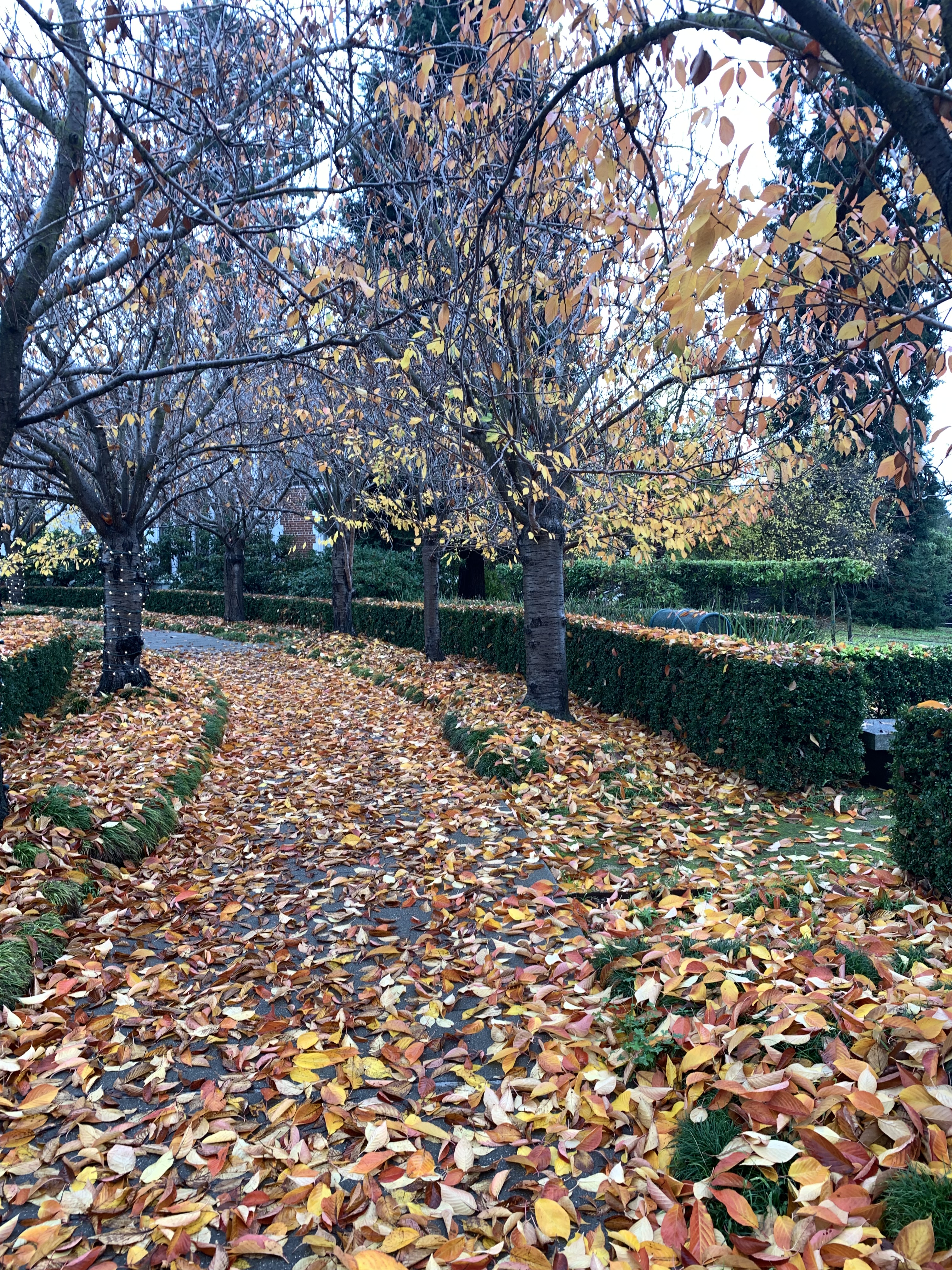
Who knows where our paths will lead us? – Photo by Mary Elyn Bahlert, 12/2025