Uncategorized

Our Little Worlds


universe-space-sound

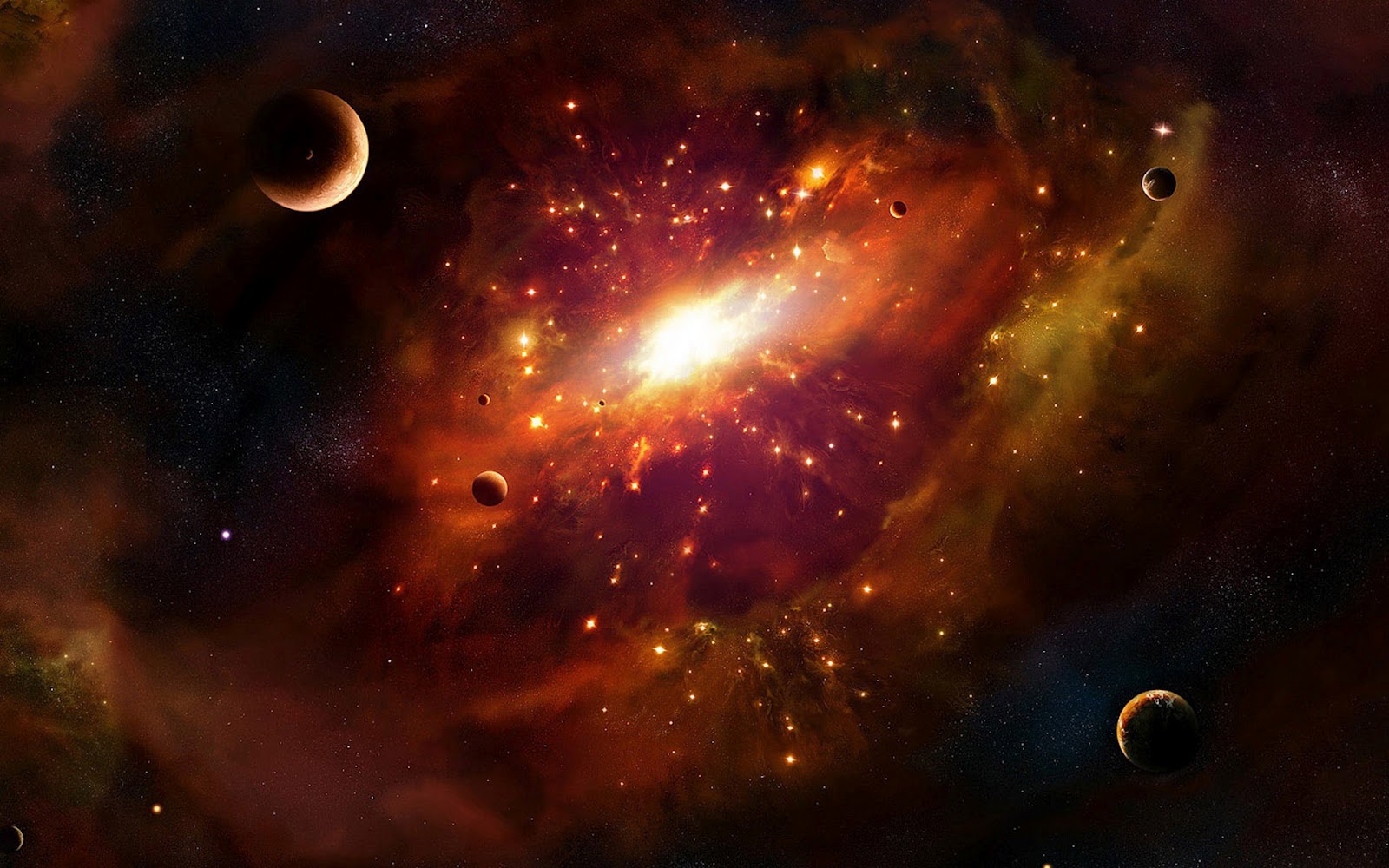
We all grow up in Little Worlds, Little Worlds that begin with our families – for better or worse – and gradually expand into the world that surrounds us, that Big World, that foreign place.  For some of us, that foreign place intrigues, and so we spend our lives widening and widening the boundaries of the Little World where we began.

For some of us, Big World is a frightening place – which it surely is – and so we use our precious energy to make sure the boundaries of our  Little World are never broken.  We live within the confining – and supposedly safe – shell of Little World.  We take our Little World with us, wherever we go.

Our minds hold our Little Worlds, embrace our Little Worlds, surround our Little Worlds.  If we think we have open minds and still, our world does not embrace the wideness of the world and its varieties of thinking and people and ideologies and practices and dresses and rights and wrongs, then our minds are not open at all.  We are locked in our Little Worlds, the only worlds our minds can hold.  Whenever we think:  “how can they be that way?” or “how can they think that way?” we are living within the limits of Little World.   That’s how our minds think; that’s what keeps us in Little World.   Often our Open Minds are not Open at all, they are only the Little World, unable to give way to Big  World.

Experience teaches us – hopefully – that our Little Worlds are not big enough for life.  We try to control our Little Worlds, keeping the Big World away; sometimes we are startled awake, startled alive,  have our minds broken open.  When our minds break open the edges of our Little World gives way to  Big World.

Our minds are broken open when our hearts are broken open – by failing, by submitting our privilege, by addiction, by depression, by the truth that whatever rules we learned in the Little World cannot carry us in Big World.  Our minds are broken open when we realize we do not know, we cannot know what is right or good for another.  We learn that we don’t even know what is right or good for ourselves.  We learn that the rules we learned in Little World don’t work in Big World.  The rules we learned in Little World are meant to keep us small, and safe.  Big World is not safe; Big World is an adventure.

We – those of us who have  had our Little Worlds broken, are grateful for those things that have broken us, for they break the Little World.  And this, this alone makes the world a safer, kinder, gentler place, for all.  Big World is a place of love, of limit-less love.

When Little World is broken, Big World appears.
 

Uncategorized

The Star

magiufolight650

I started to follow in my sleep,
touched by the star itself.
The star paraded over my head
night after night.

One night I sat on a hill and watched the star
until the morning.
Then I knew it would lead me,
if I chose to follow.

I did.

The route: circuitous.
The country: rugged.
The ruler: vicious.
The companions: odd, and wise.
The nights: cold, colder than in my land.

I followed.
I did.

Stories say the star led us to a Child, the Child.
This I know now:

It led to Light.

—meb, Epiphany, 2015

***

I choose to see the story for its mystical vividness, realness, and depth.

There are many traditions associated with the Magi, and traditions have broadened and deepened the story, through the years.  Many of the traditions have arrived via art through the ages.

***

“The three Magi developed distinct characteristics in Christian tradition, so that between them they represented the three ages of (adult) man, three geographical and cultural areas, and sometimes other things. In the normal Western account, 14th century (for  Caspar is old, normally with a white beard, and gives the gold;  Melchior is middle-aged, giving frankincense from his native Arabia, and Balthazar is a young man, very often and increasingly black-skinned, with myrrh from Saba (modern south Yemen).”   from Wikipedia


Uncategorized

Into the Darkness

darknesslight

The days are still growing shorter, people in colder climates are dressing with warmer clothes, winter-proofing cars, and carefully navigating days when the temperature hovers around 32 degrees Farenheit. Here in the warmer climates, those of us who come from colder places have a longing for colder days!

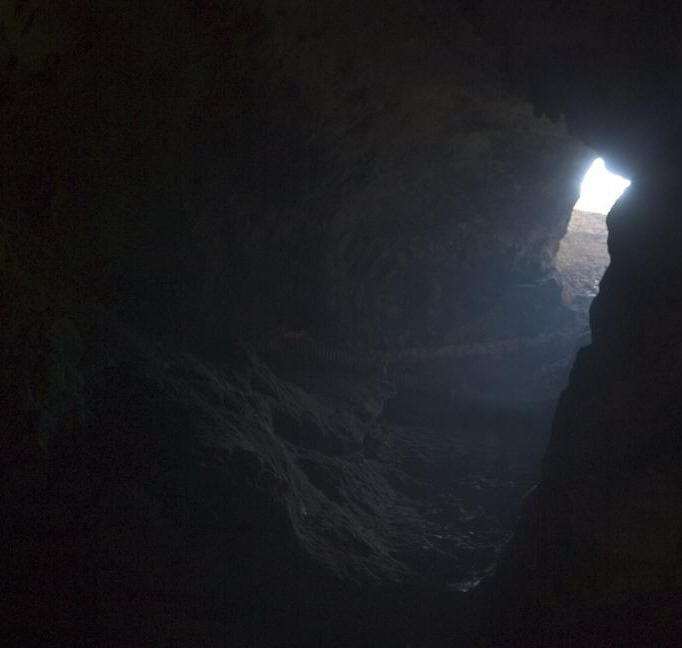
This time of waiting – of waiting for the light, the longest night and shortest day, which will relentlessly move into longer days, one moment at a time – is a time, as I wrote in an earlier post, to go into the deeper, darker places of ourselves.

Maybe we do this naturally, without guidance. Many women in particular confide that as the days grow shorter, they do some “cocooning,” going inside, baking, cleaning the dark spaces in the house, taking care of things that in the sunshine days did not seem important. In this season of darkness, there is time and space for taking care of these things.

What do we find in those cobwebby, shadowy places in ourselves? We often find tears there. We discover grief, even grief that has been forgotten, or set aside. We may find things we didn’t ever want to see again. We find things we didn’t want to remember, perhaps. We see the faces and the memories of those who are no longer with us – how we wish we could see them again, one more time! Words may arise in us, things that were said; perhaps those unsaid things arise in our thoughts, as well. We have carried those unspoken words with us, hanging in the air between us and another.

When we go into the darkness of ourselves, we may find things we don’t want to find – or to see! We may discover some feelings we wish we didn’t have: jealousies, hates, fears, terrors. We may remember someone who abused us, someone who tried to keep us from becoming our truest selves, because their own dark places were never explored.

Or we find confusing things, things we will never understand.

Sometimes when we go inside ourselves, we may discover something with complete clarity, something we’ve always known. There, touching it again for the first time in many years, our knees on the hard wooden floor of our memory, we begin to see it glimmer. Maybe that clarity is something we need desperately, now. We are grateful.

During this season of this year, there is much talk about the system of racism that pervades us as a country, as a people. Liberal or conservative, socially progressive or longing for values that don’t seem to exist anymore, we seem to be having a conversation we have needed to have for a long time. We may be hopeful, we may find hope as a people in those under-belly places of our collective psyche, or we may find even more hopelessness than we have now. As you think about the happenings of these past few months, I invite you to listen to the Bill Moyers’ interview of journalist Ta-Nehisi as he frames the nation’s history of slavery and white supremacy in challenging terms.

Sometimes when we go within – as a people, as individuals – we may find unresolved things that cannot, will not be easily resolved. We may cry or shout or rage again and again, and this may never end.

***
It is interesting that this season of darkness that brings us face to face with the light is associated with hope. Maybe it’s more appropriate to call it Hope, with a big H. We all need this hope, and it’s something we can’t buy at the stores, at the busy malls. I think maybe Hope arises from that journey into the darkness.

“All shall be well, all shall be well, all shall be well.” Julian of Norwich, mystic.